VOTE FOR A FUTURE CATEGORY
Plants & Trees
Flowers, ferns, cacti and towering trees.
BODY LENGTH OR WINGSPAN · FIVE ROUNDS A DAY · 80 INSECTS
Turn your phone upright
The board needs the height.
Slide left or right anywhere on the board to resize the white silhouette. Arrow keys resize it a step at a time, Enter locks in your guess.
Slide anywhere on the board to resize · then Lock inSlide anywhere on the board to resize
0out of 1,000
Pick the category you’d most like to play. Votes help us choose what to build next; nothing here is playable yet.
Flowers, ferns, cacti and towering trees.
Balls, rackets, boards and goals from your favourite sports.
Flutes, guitars, drums and grand pianos.
Bacteria, cells, pollen and tiny organisms — explore sizes under a microscope.
Loading your vote…
Have another theme in mind?
Want something new on the table?
01 / Small creatures, wide differences
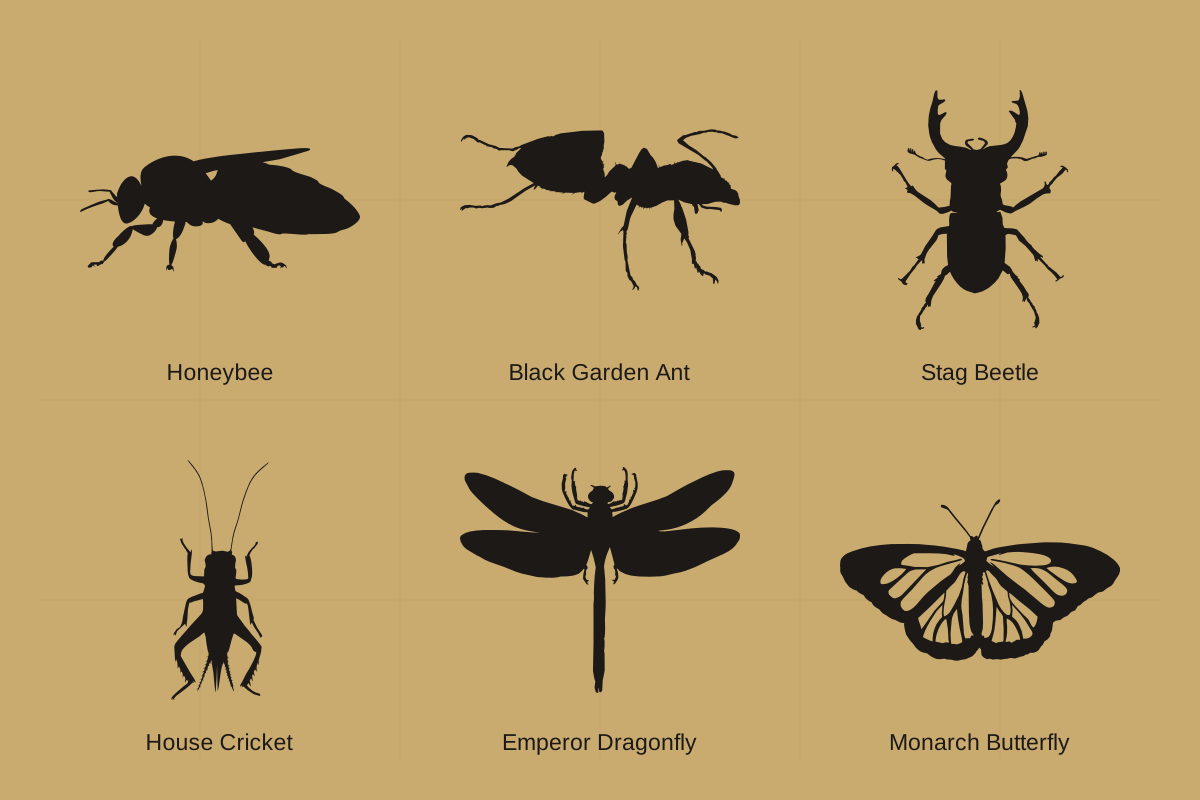
A fly at the fruit bowl and a butterfly in the garden rarely sit side by side. Size It Up Insects brings them onto one board, where familiar outlines can hide surprisingly different sizes.
Size It Up Insects contains 80 adult insects, including bees, ants, beetles, butterflies, moths and dragonflies. Each round compares a named body length or wingspan. The smallest body is only 1 mm; the widest wings reach 260 mm.
02 / Read, resize, reveal
Size It Up Insects has five Daily rounds, worth up to 100 points each. Read the black reference, then resize the cream insect until its named dimension looks right.
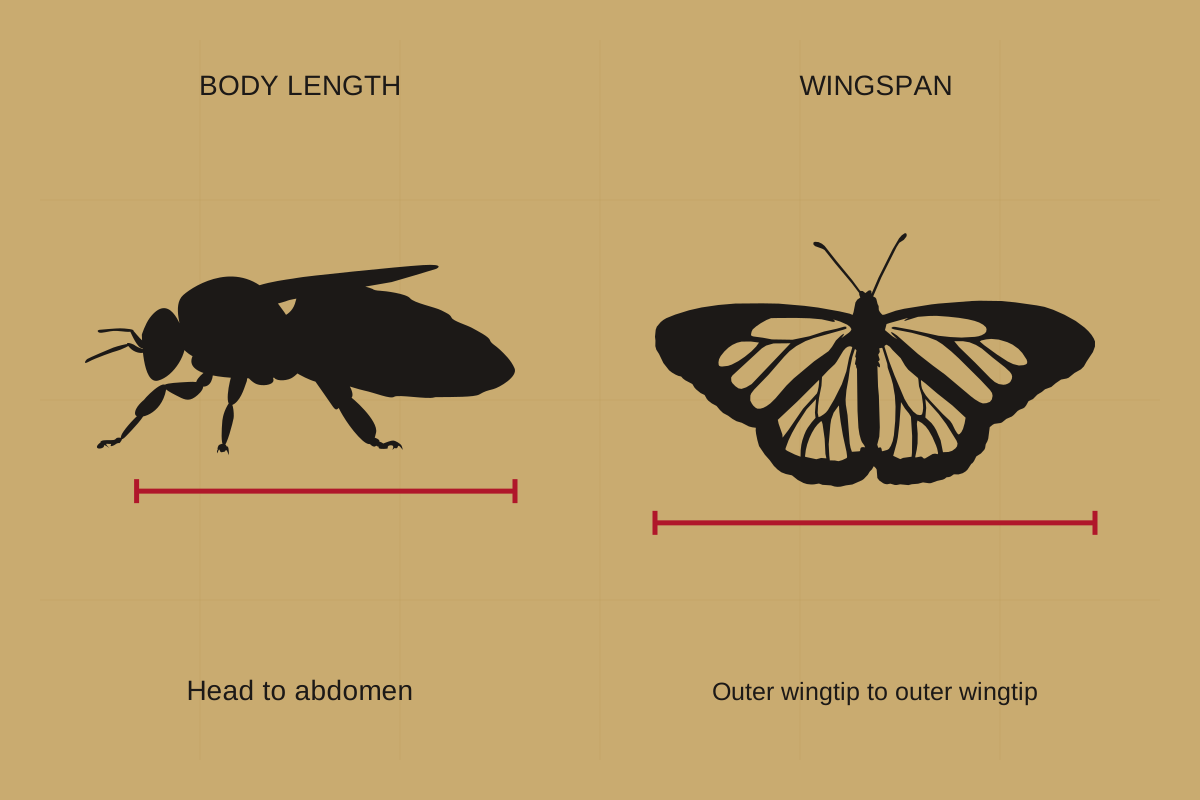
Body length and wingspan are different spans. Read both labels before making a comparison.
Estimate twice, half or a quarter of the reference. Drag a handle or use the size controls to refine your guess.
Submit to reveal the measurements. Size It Up Insects scores the selected span, with an explanation after each guess.
03 / A body is not a wingspan
Body length runs from the head to the abdomen tip. Wingspan runs between the outermost tips of spread wings. Size It Up Insects labels the physical dimension even when a body points vertically on screen.
An emperor dragonfly uses body length here; butterflies use wingspan. Size It Up Insects can compare those two linear distances, but a broad wing shape is not evidence of a longer body.
The red lines below show selected endpoints. In Size It Up Insects, legs, antennae and projecting wings are excluded from body length. Follow the marked span, rather than the whole bounding box.
04 / Look past the antennae
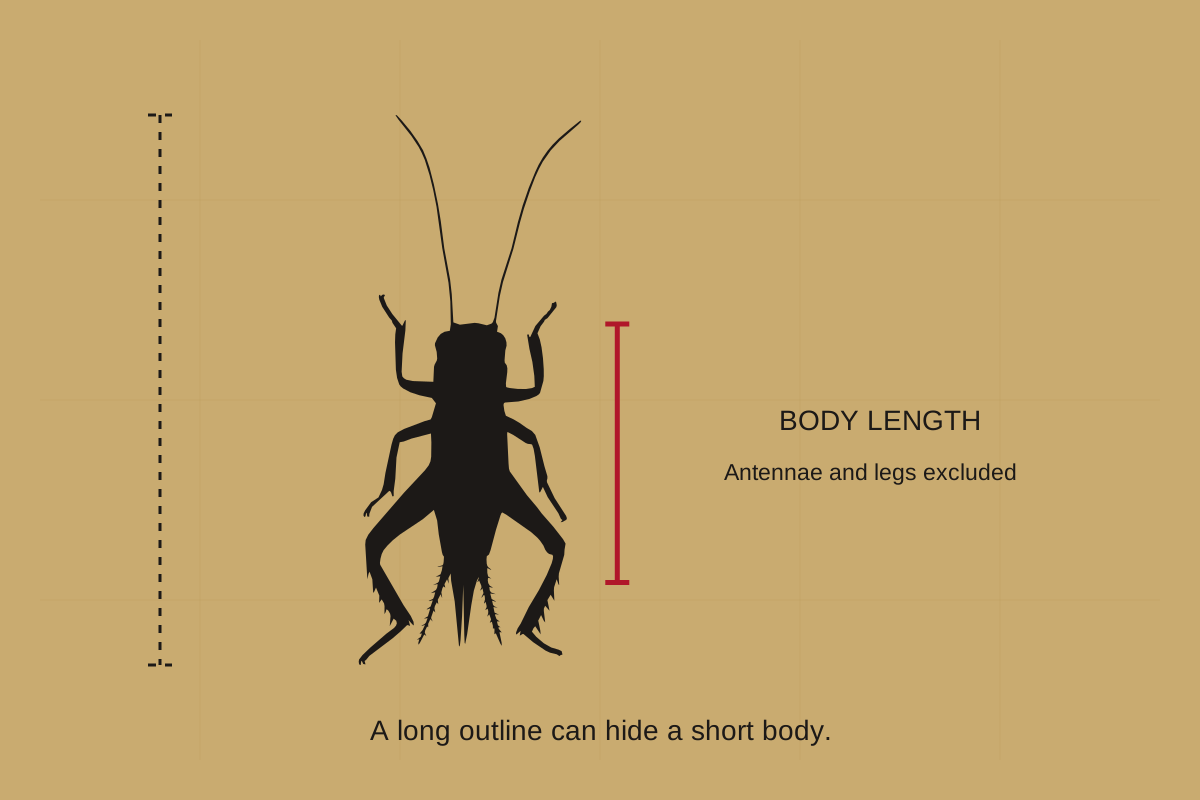
A cricket’s antennae can make its outline look enormous. Size It Up Insects measures its body, excluding the antennae, legs and rear appendages. The red segment shows what counts.
Read the exceptions: the male stag beetle’s length includes its jaws; the earwig’s body length excludes its pincers. Size It Up Insects names these conventions beside the insect and in the measurement note.
Adults also vary in size. A large hornet is not a typical worker, and a worker ant is not a queen. Size It Up Insects uses the selected adult or caste stated in each entry.
05 / Put a number on the difference
These Size It Up Insects examples use the published library values. Each pair of bars shares one linear scale; the examples are independent of the Daily calendar.
For an insect size comparison, divide one span by the other. Size It Up Insects compares lengths, never weight, wing area or the amount of black ink in a silhouette.
4× the measured span
3.9× the measured span
2.292× the measured span
Eastern Tiger Swallowtail sourceSmall White Butterfly source
06 / The adult collection
All 80 Size It Up Insects entries appear below, largest measured span first. Each links to its measurement source. The thumbnail sizes are for identification, not a shared scale.
These are selected values, not universal species averages. Size It Up Insects chooses a representative adult within a published range, or a clearly labelled large adult. The reveal explains that choice.
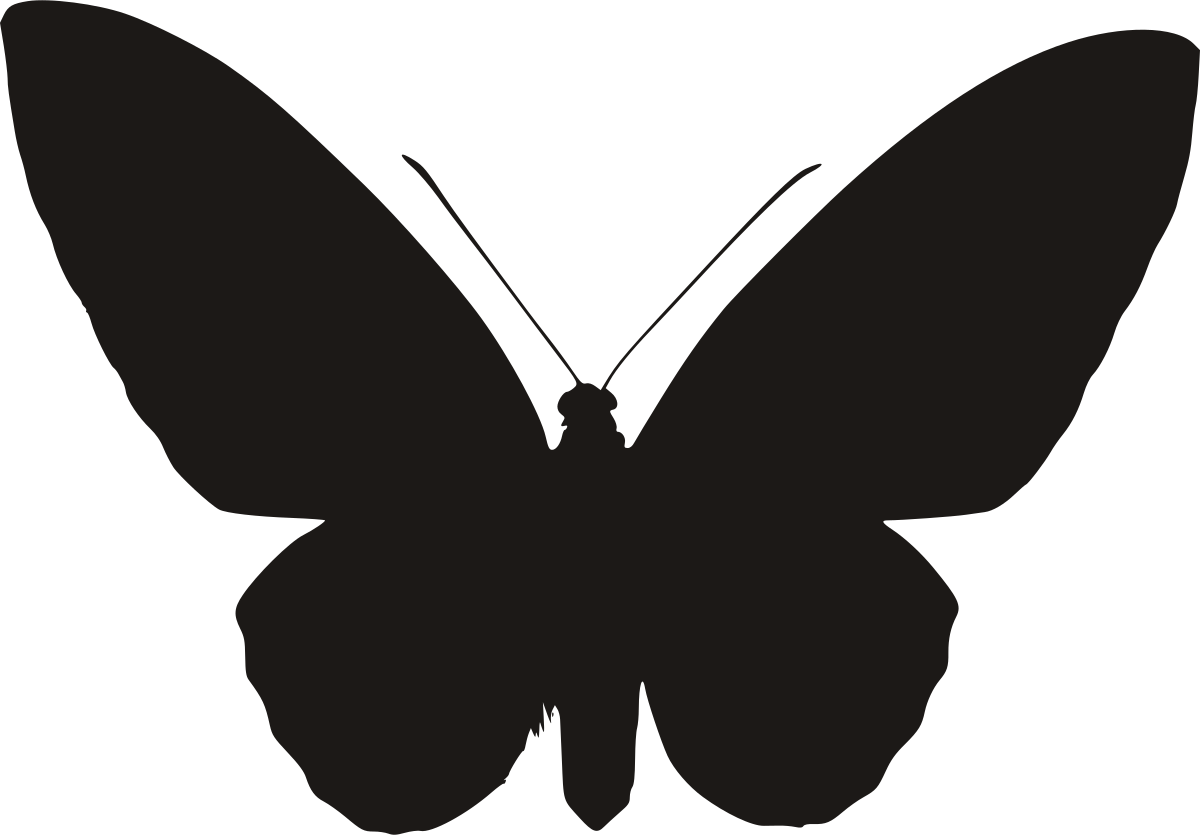
260 mm · wingspan
Size source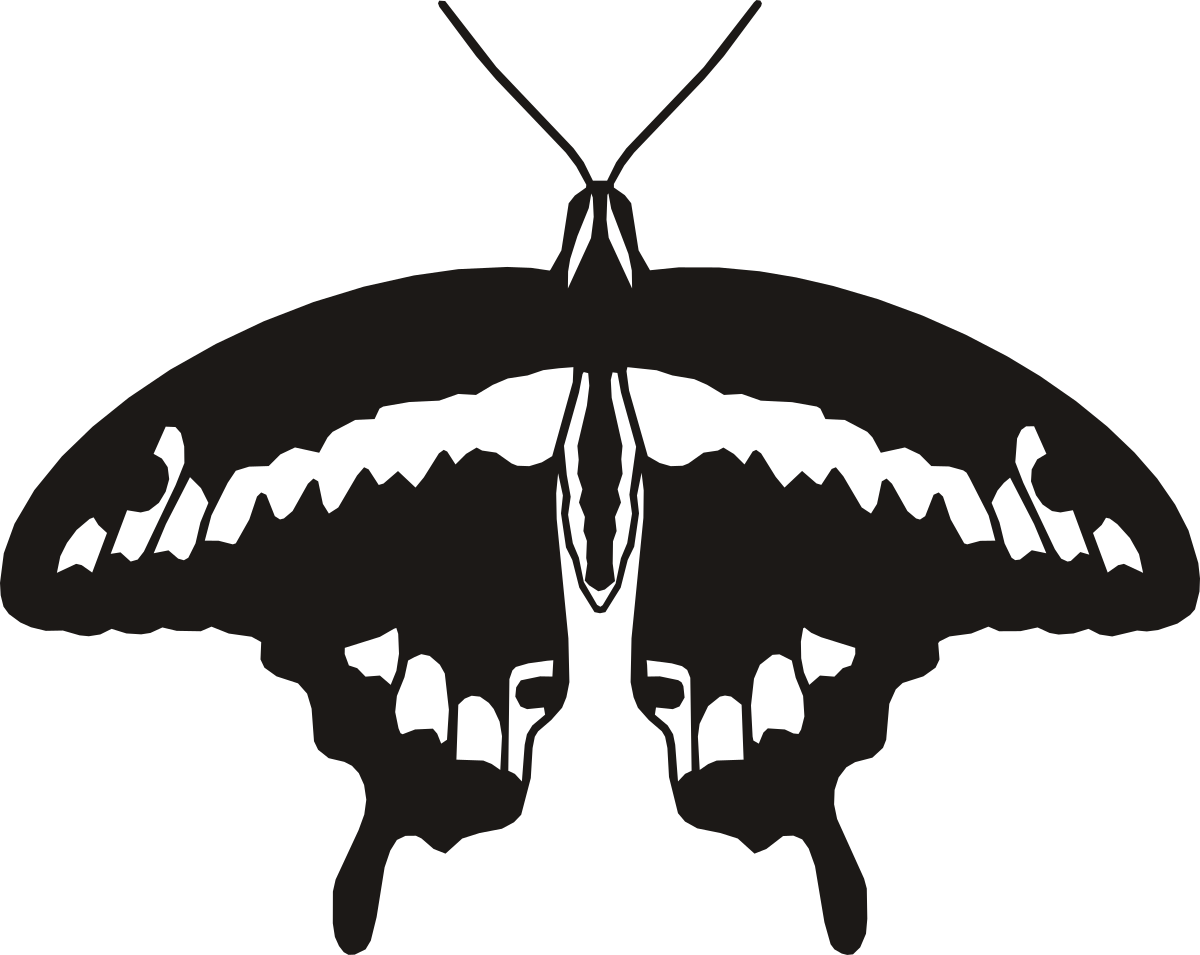
175 mm · wingspan
Size source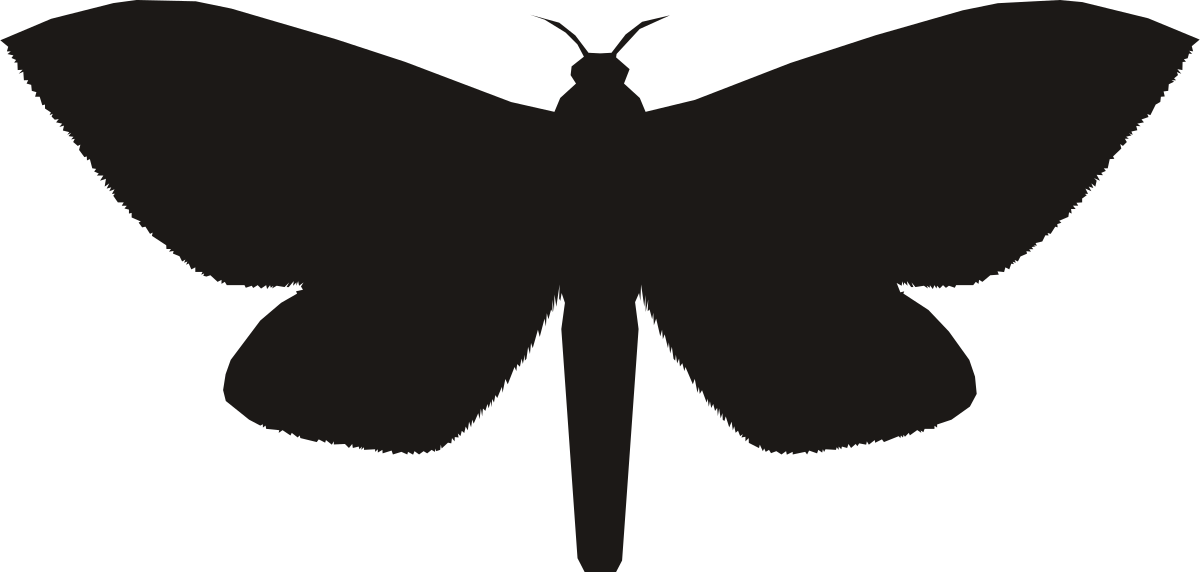
150 mm · wingspan
Size source
140 mm · wingspan
Size source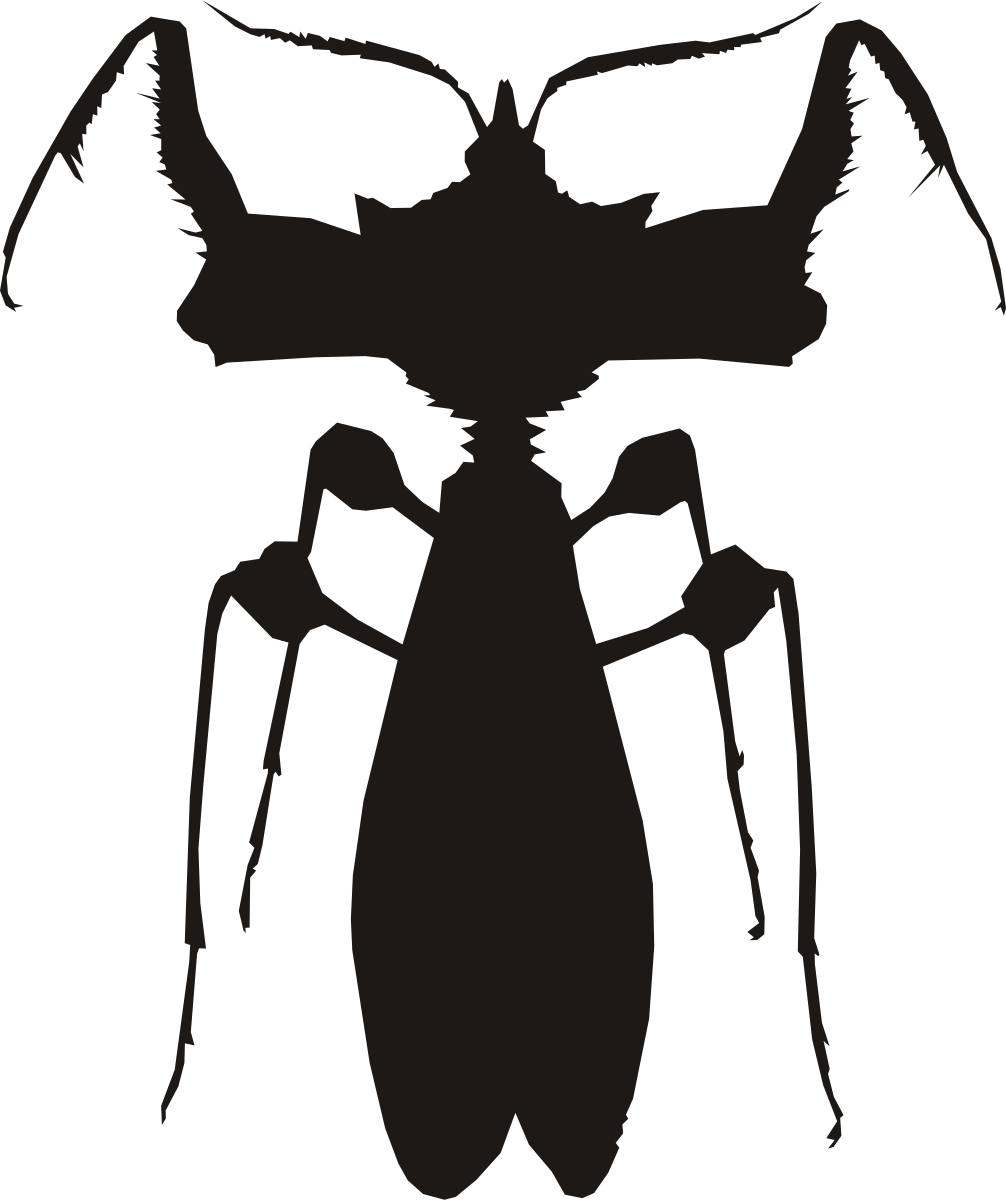
130 mm · body length
Size source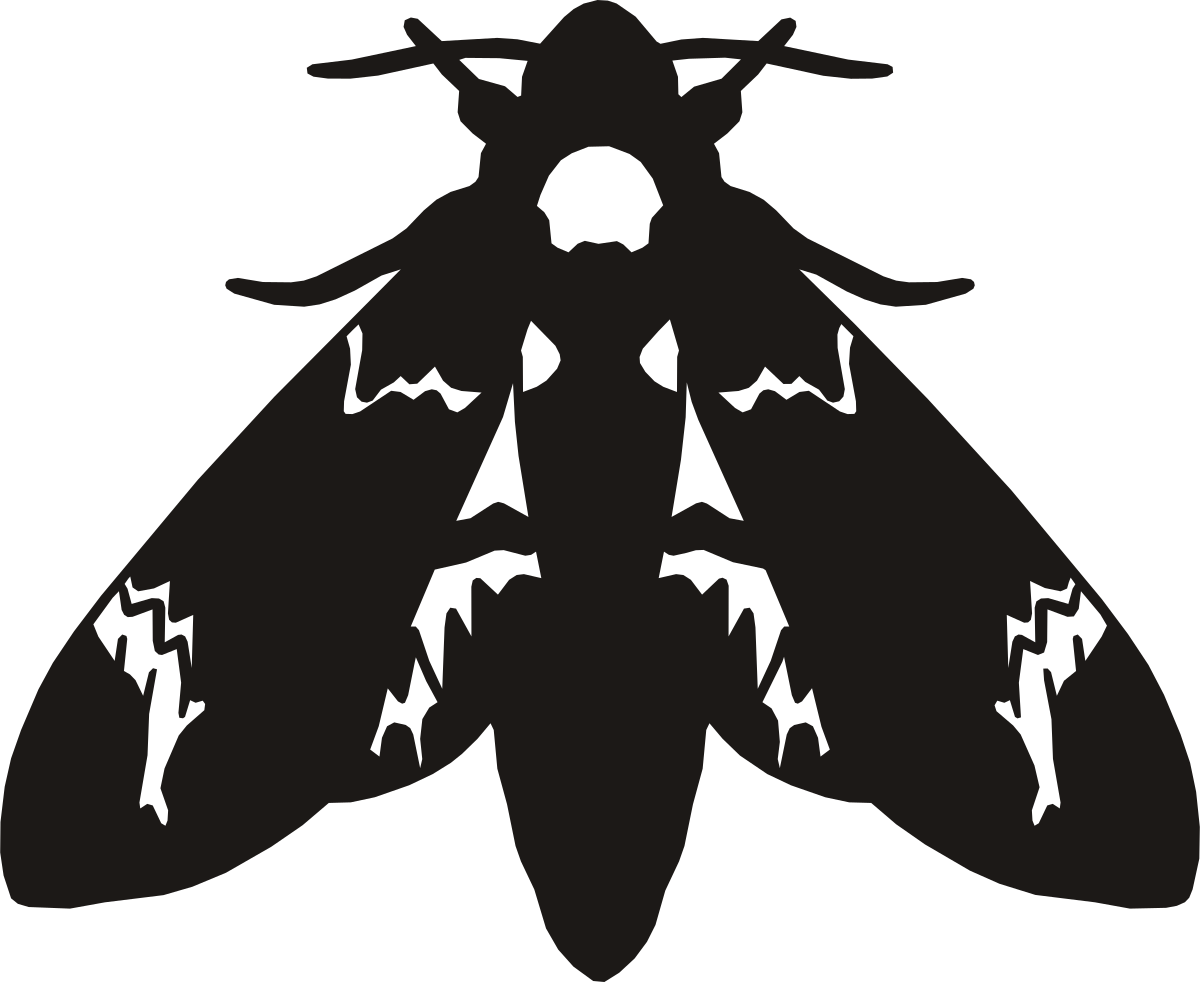
118 mm · wingspan
Size source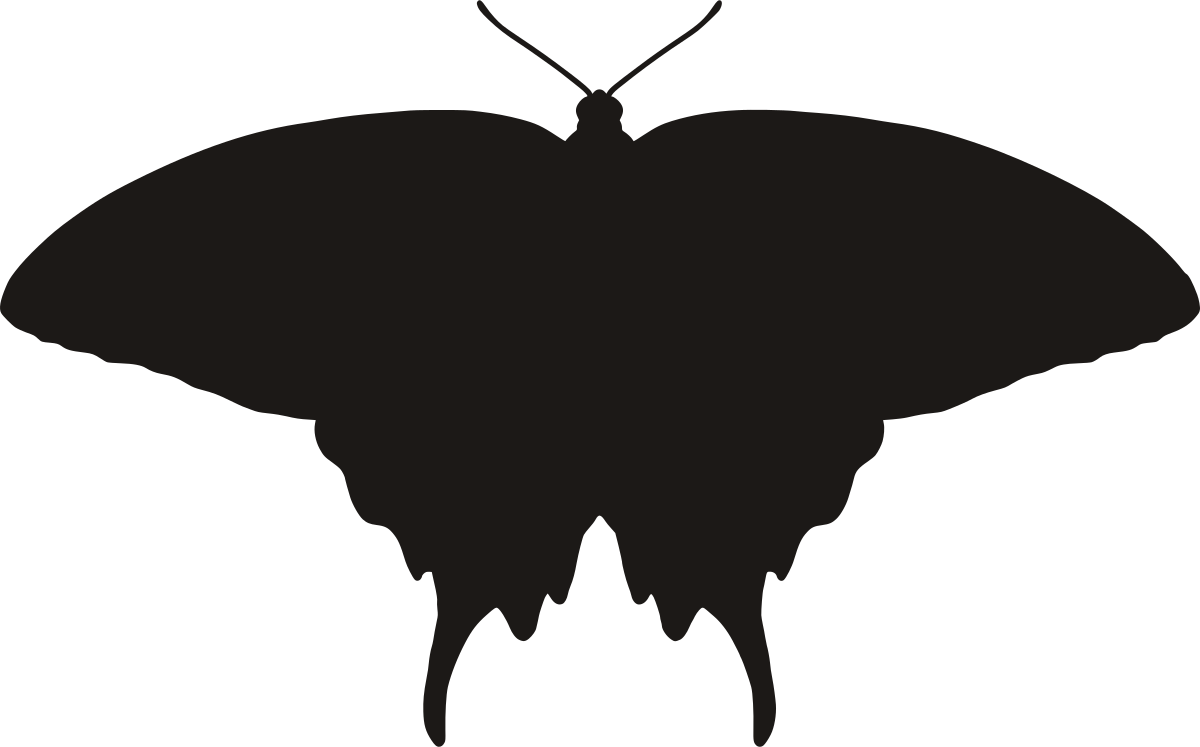
110 mm · wingspan
Size source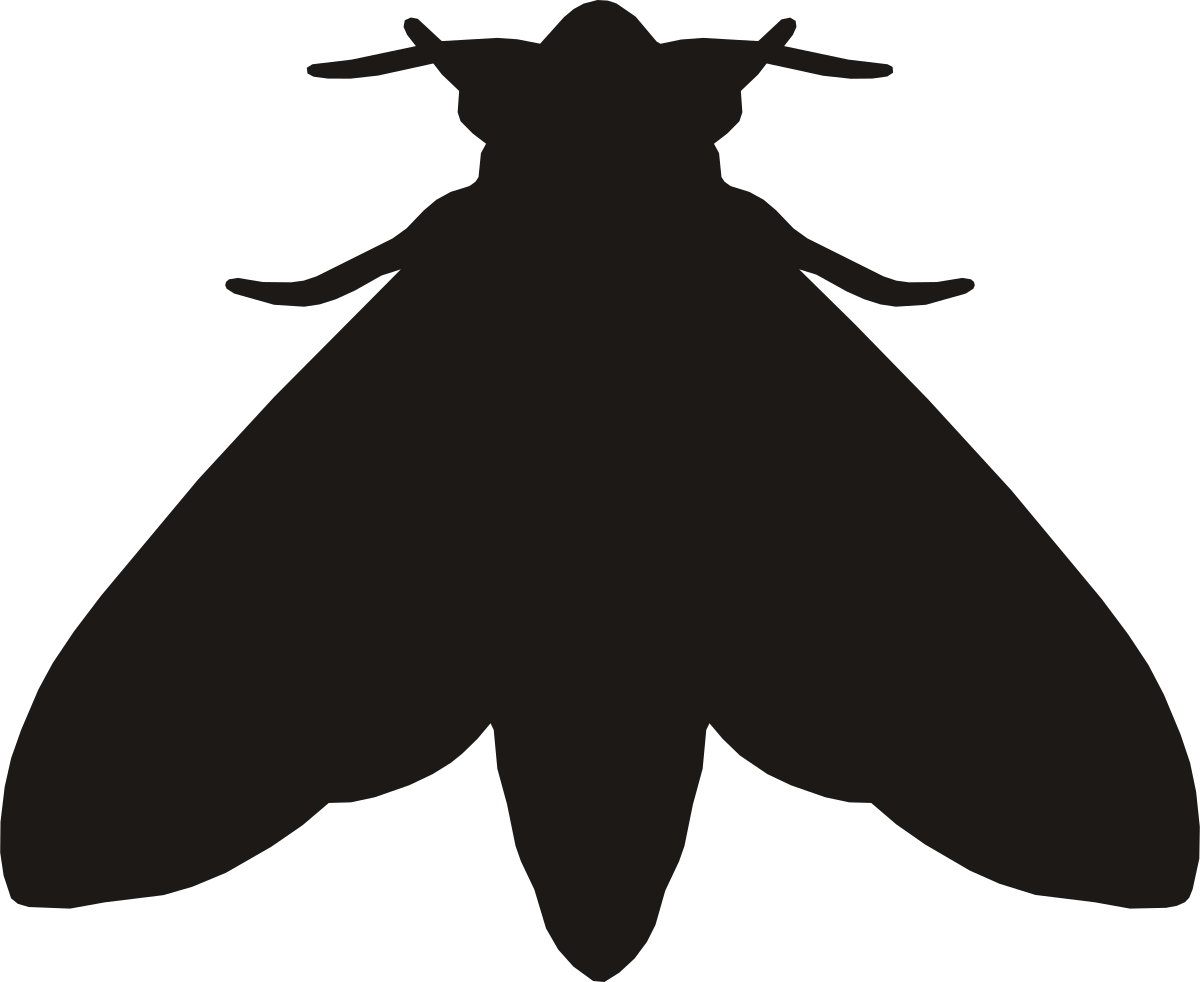
105 mm · wingspan
Size source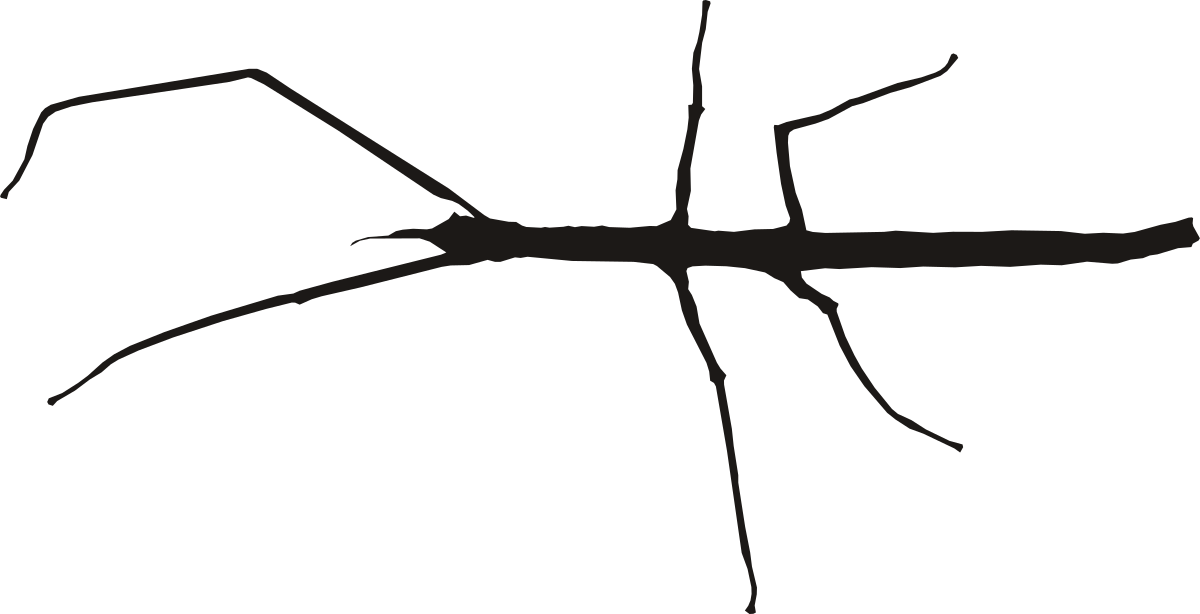
103 mm · body length
Size source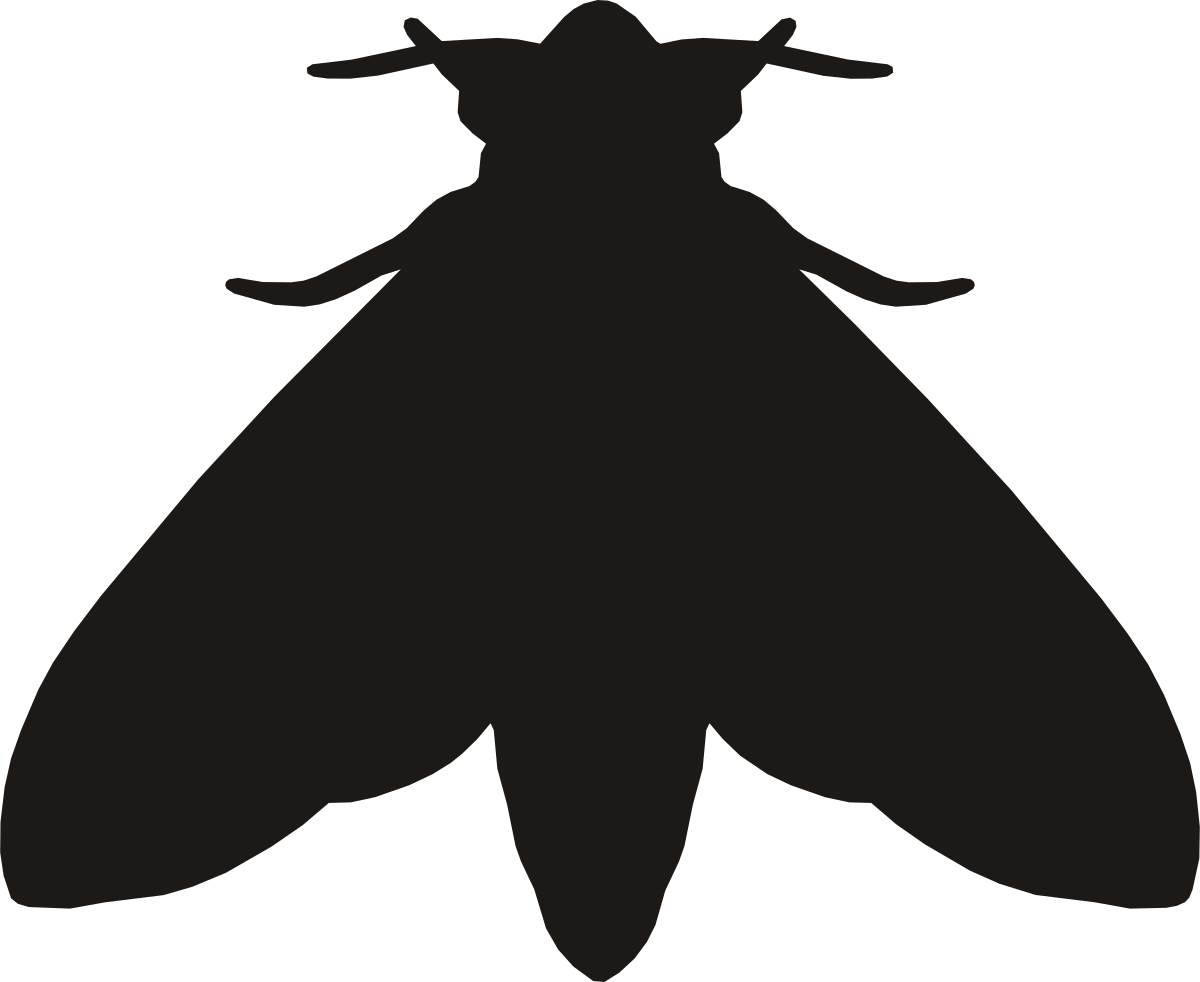
100 mm · wingspan
Size source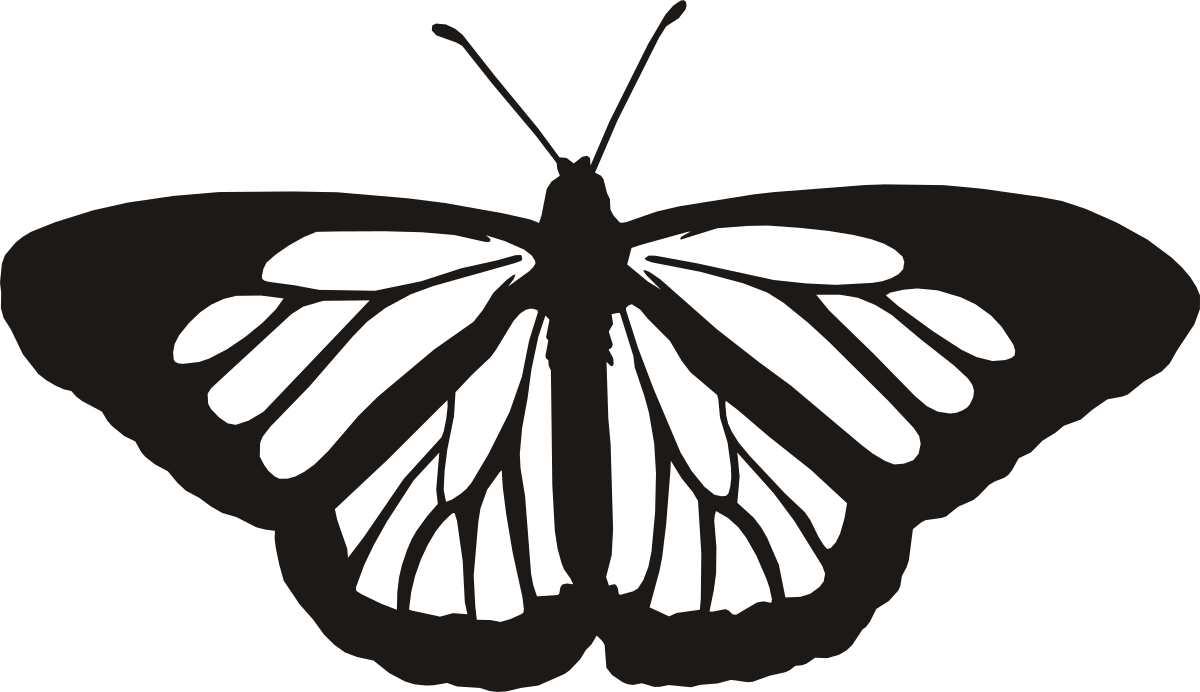
90 mm · wingspan
Size source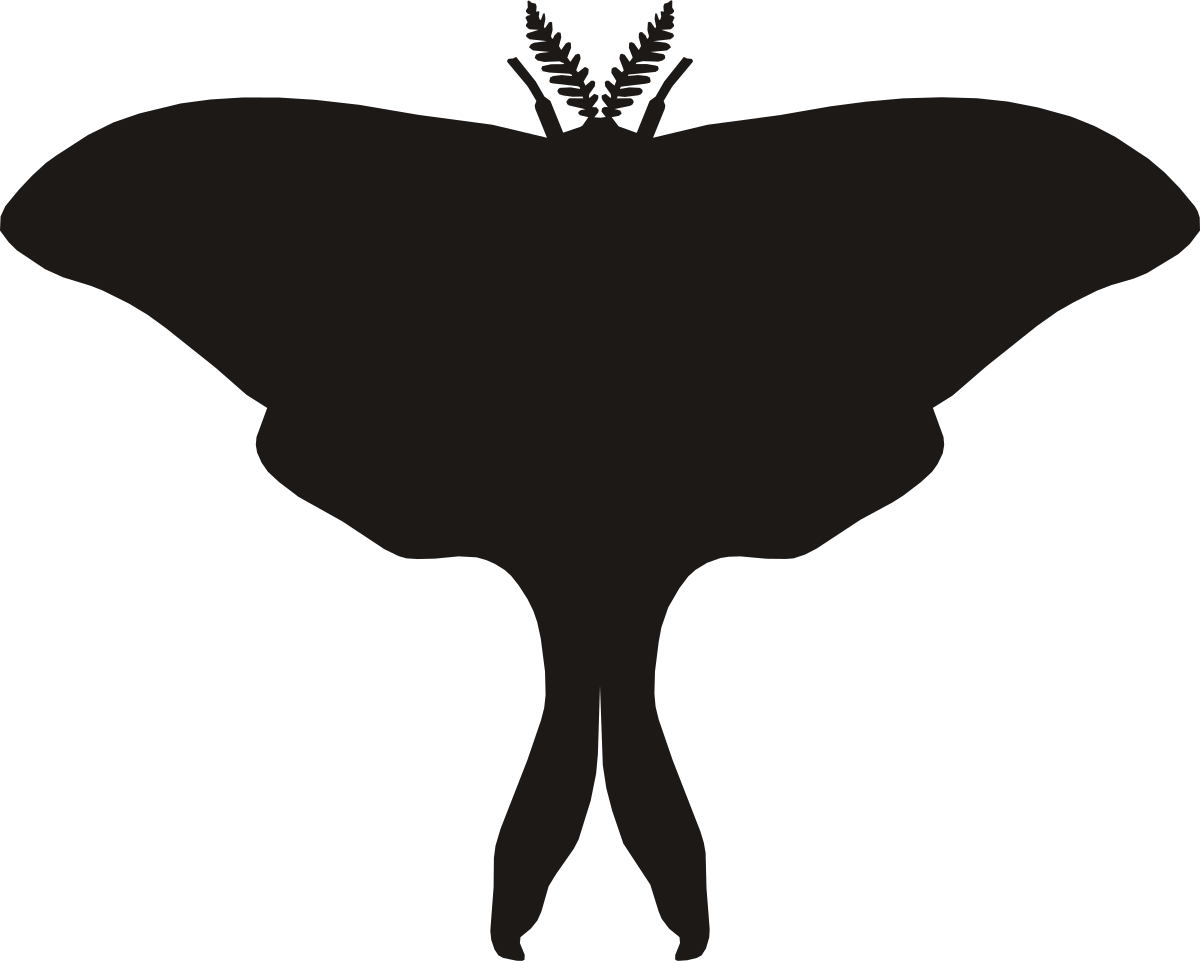
90 mm · wingspan
Size source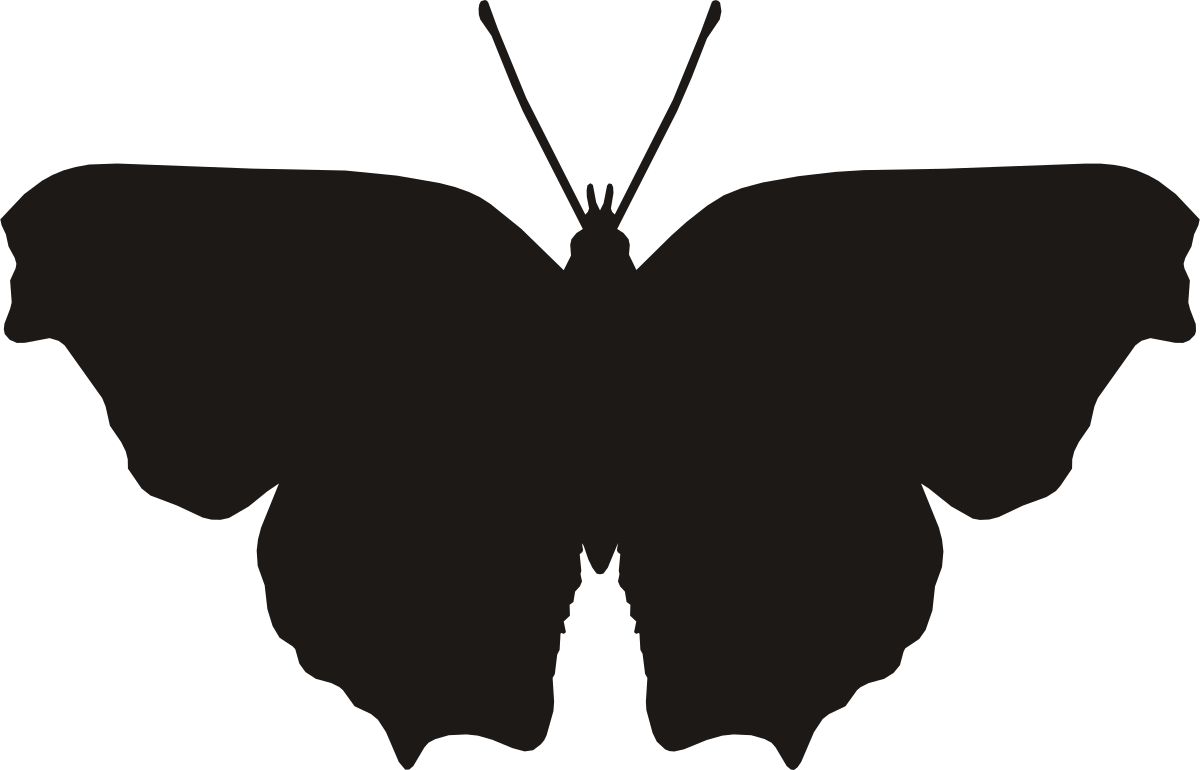
80 mm · wingspan
Size source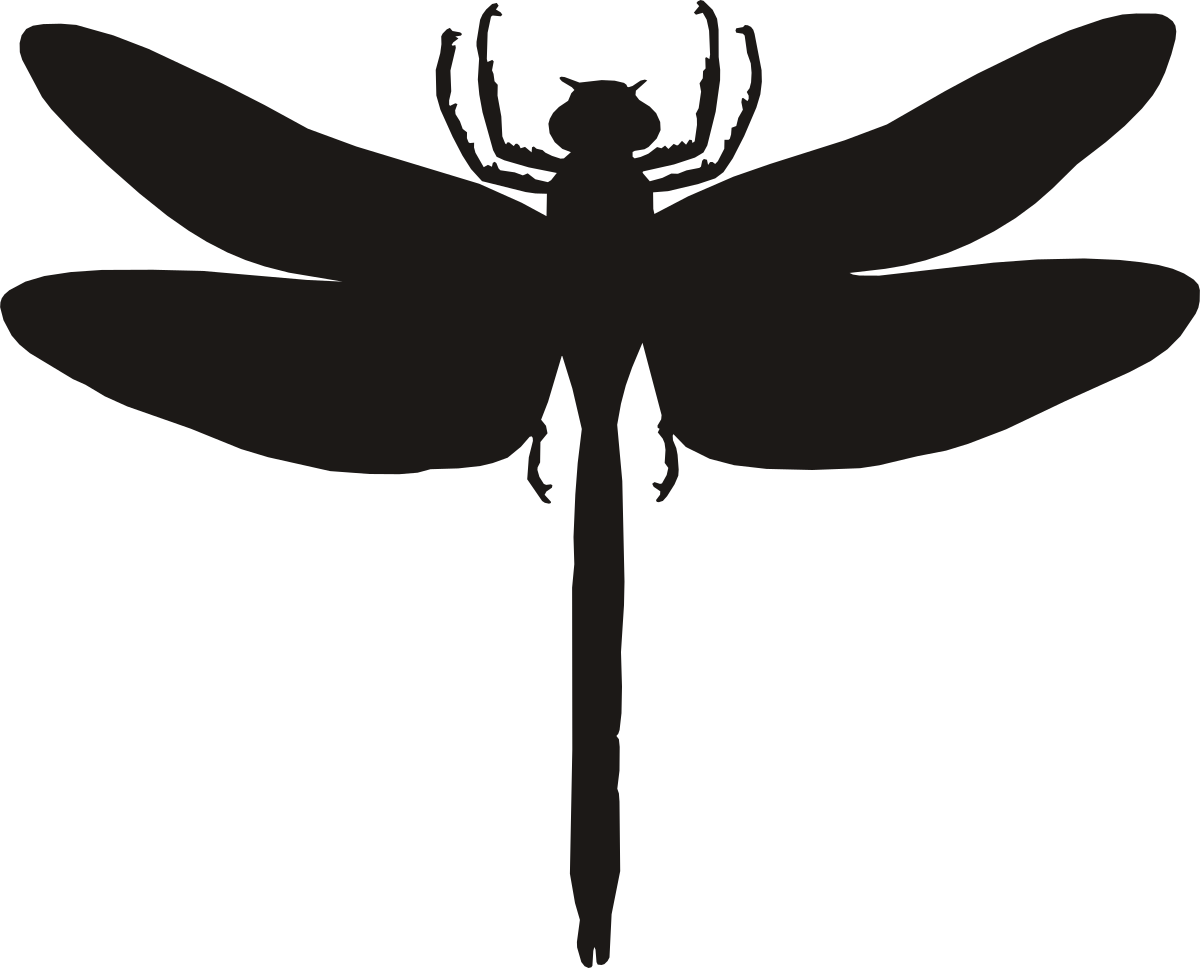
78 mm · body length
Size source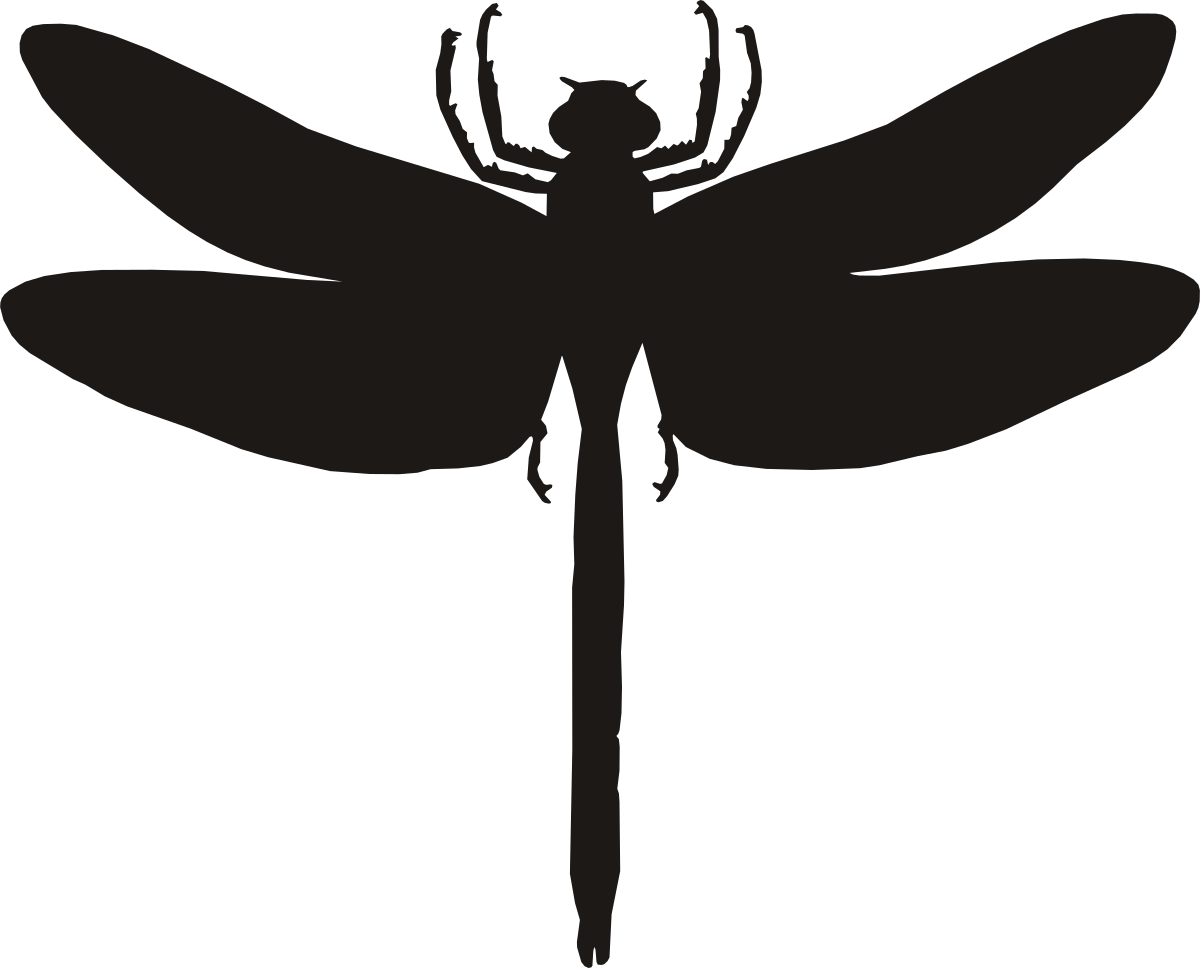
73 mm · body length
Size source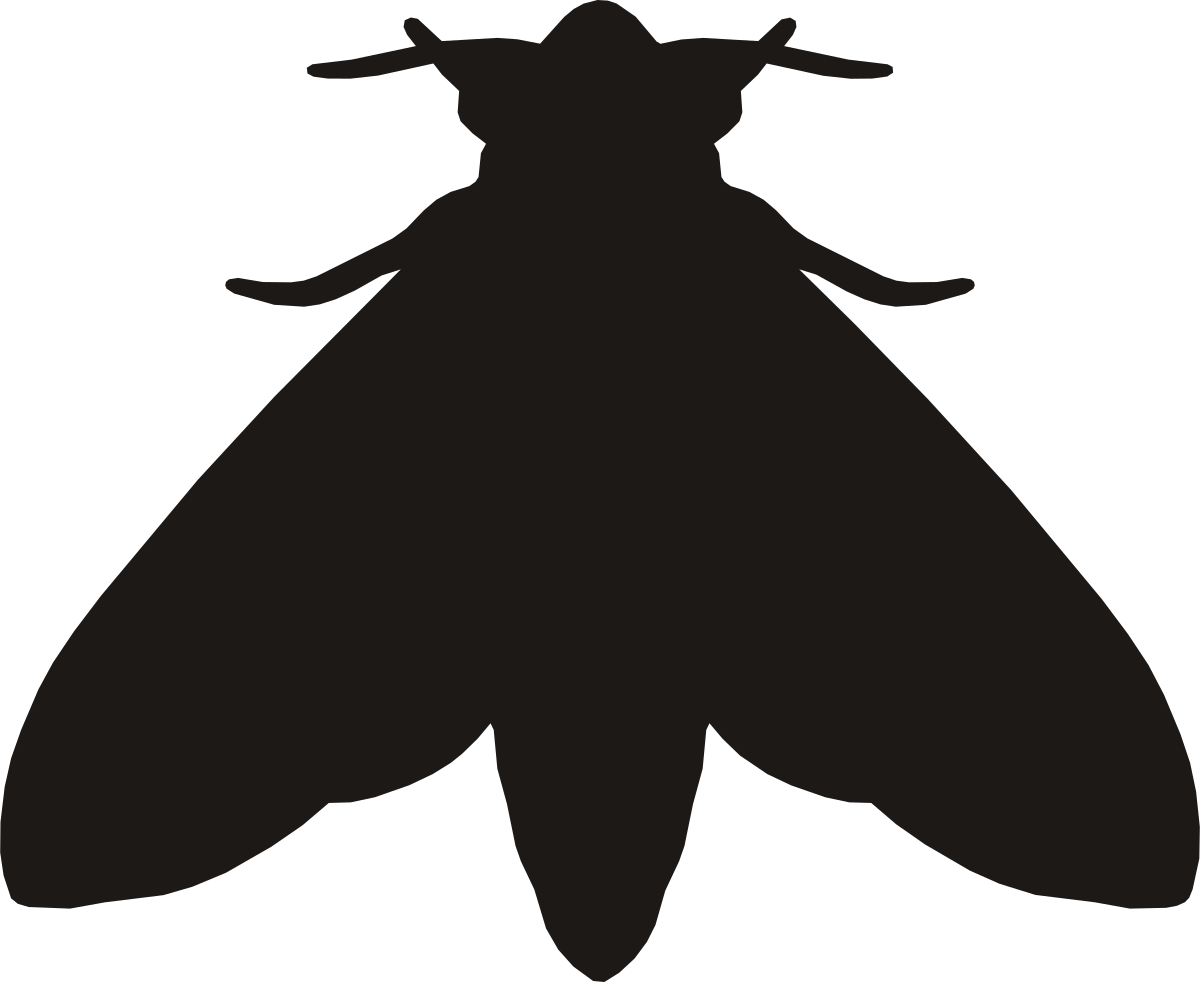
72.5 mm · wingspan
Size source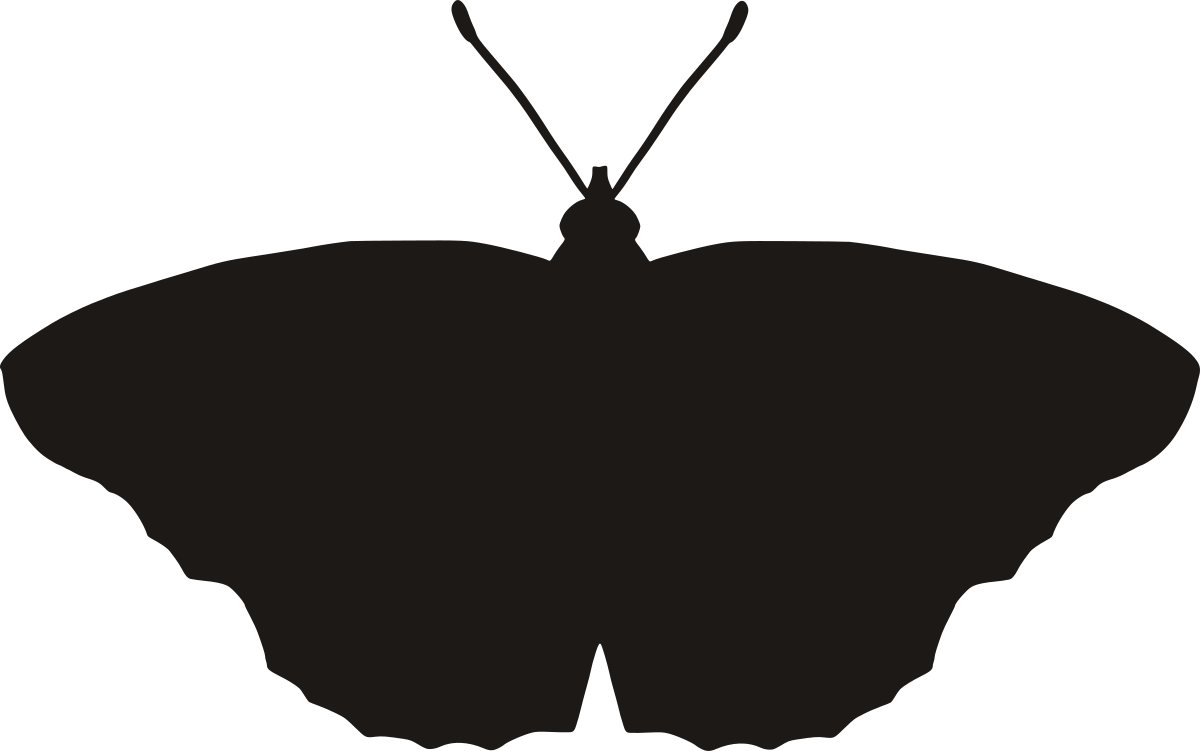
71 mm · wingspan
Size source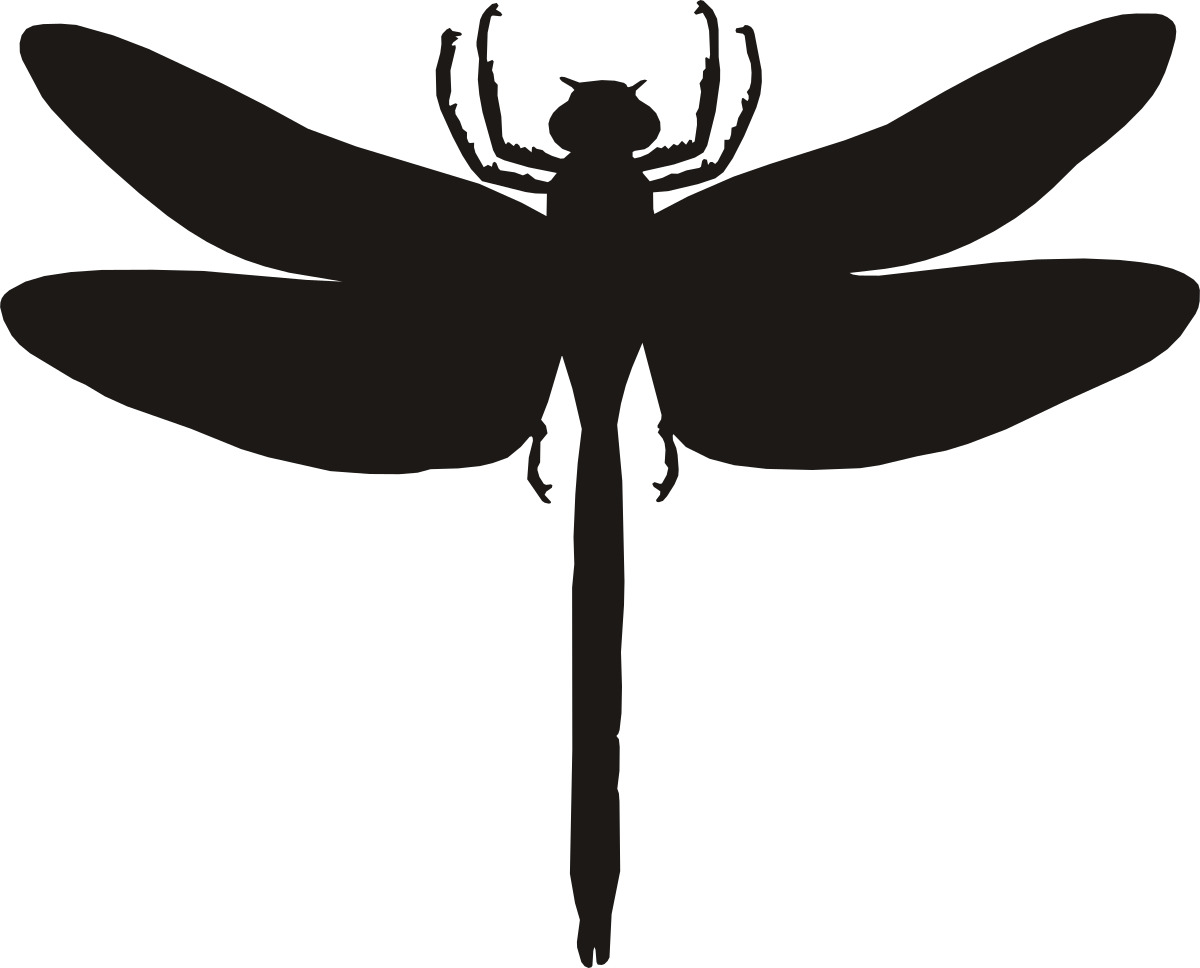
70 mm · body length
Size source
69 mm · wingspan
Size source
66 mm · wingspan
Size source
65 mm · length including jaws
Size source
63 mm · body length
Size source
60.5 mm · wingspan
Size source
60 mm · body length
Size source
55 mm · length including horn
Size source
53.5 mm · wingspan
Size source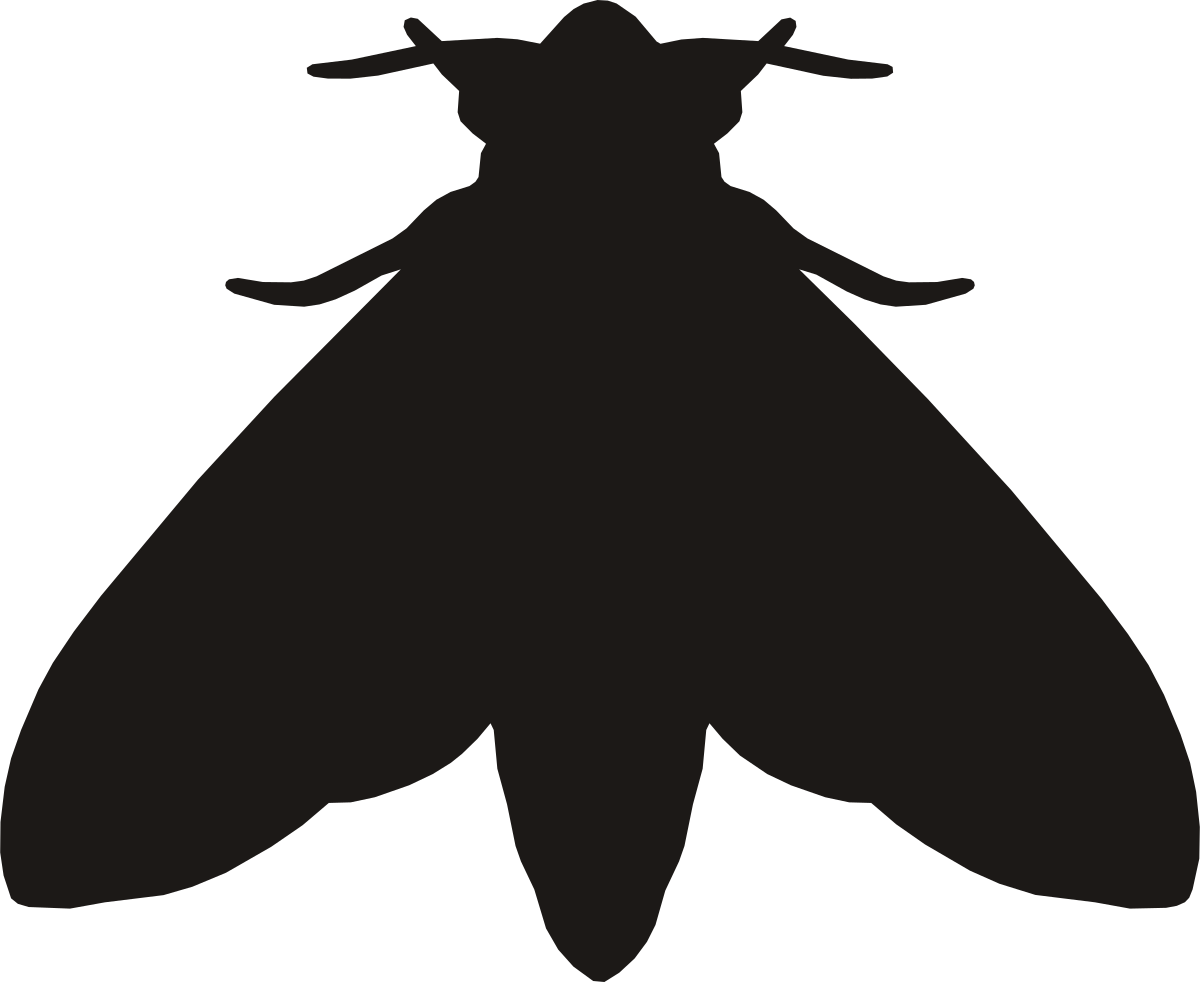
52.5 mm · wingspan
Size source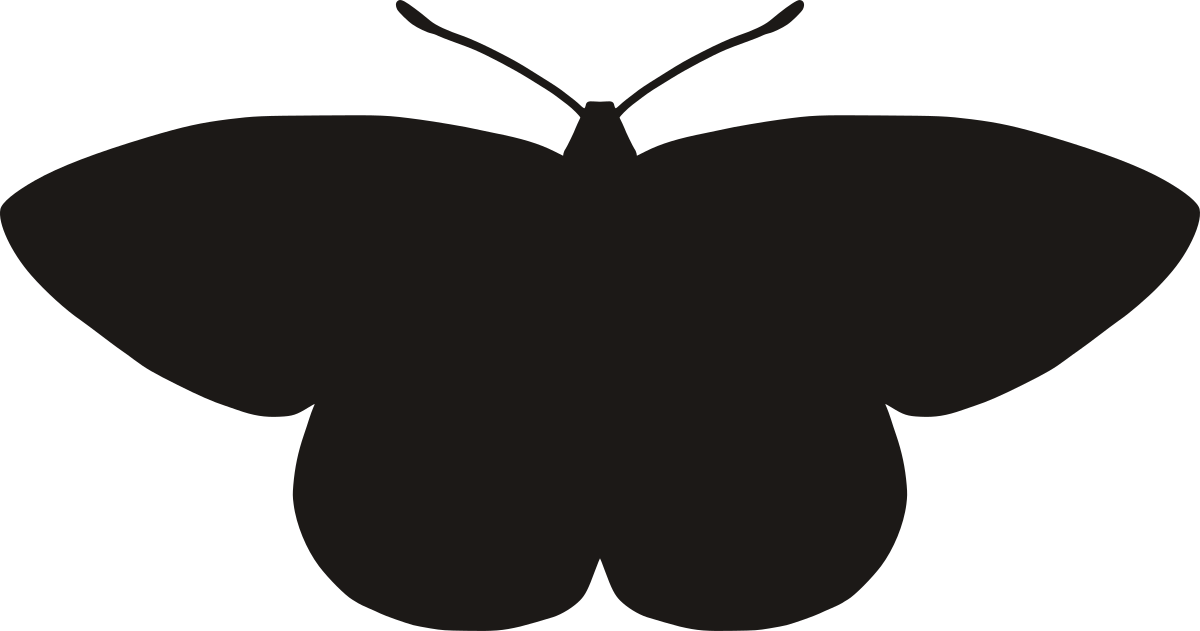
50 mm · wingspan
Size source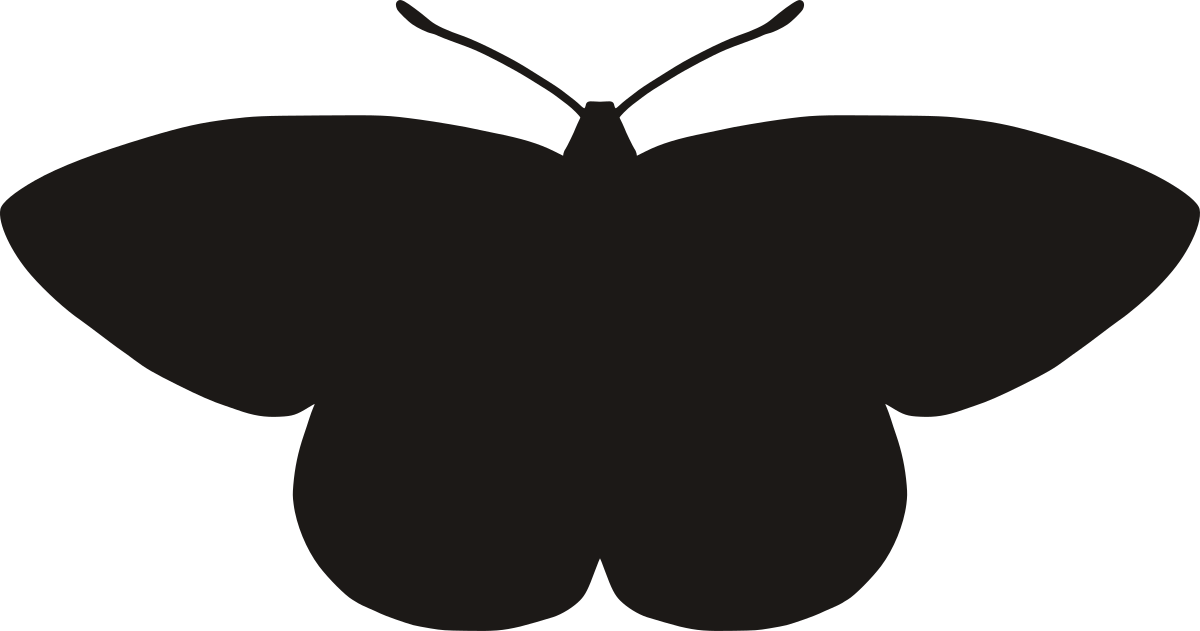
48 mm · wingspan
Size source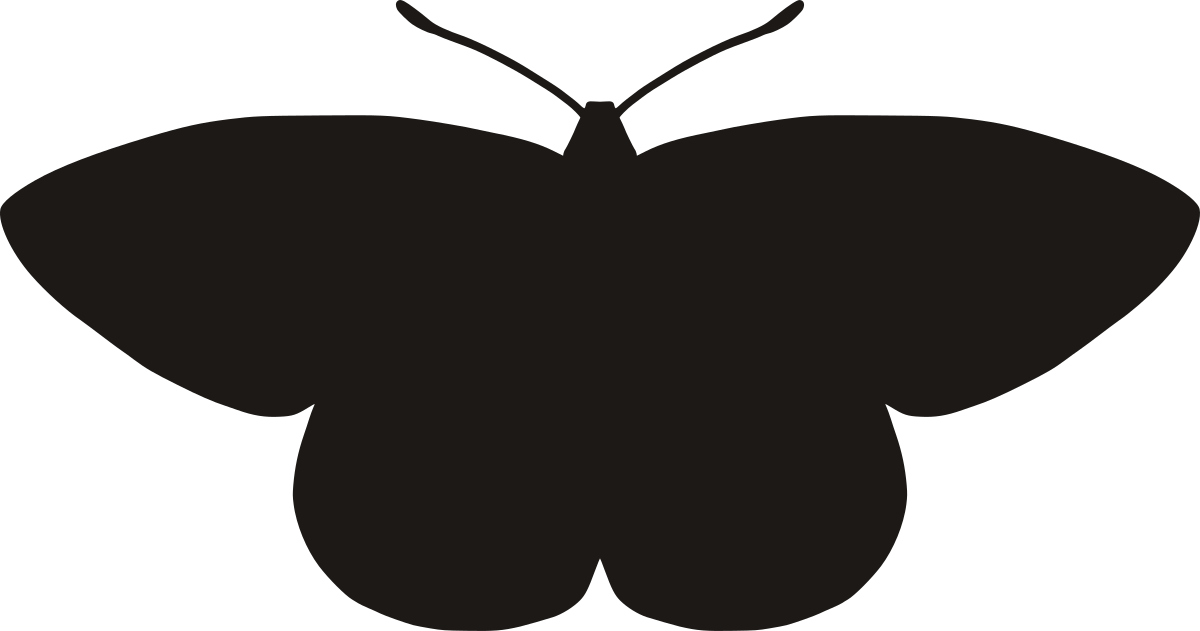
46 mm · wingspan
Size source
46 mm · wingspan
Size source
45 mm · body length
Size source
44 mm · body length
Size source
42.5 mm · wingspan
Size source
40.5 mm · body length
Size source
40 mm · body length
Size source
35 mm · body length
Size source
32.5 mm · wingspan
Size source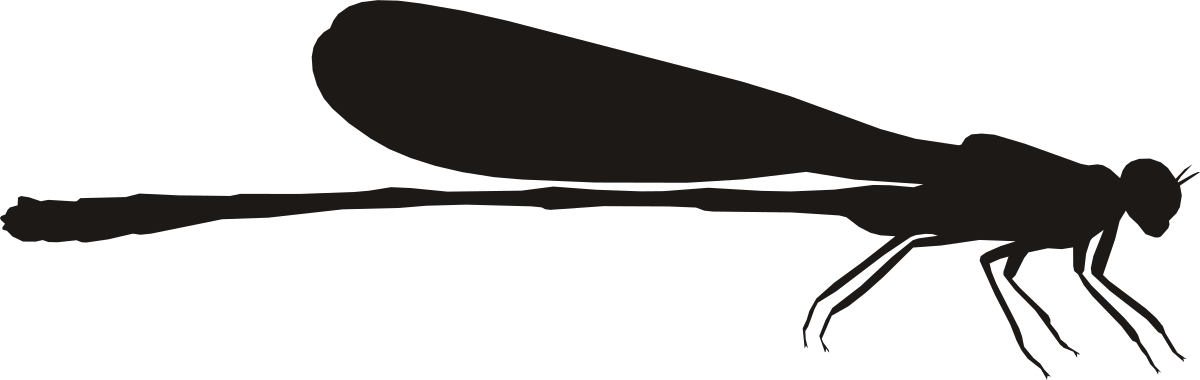
31 mm · body length
Size source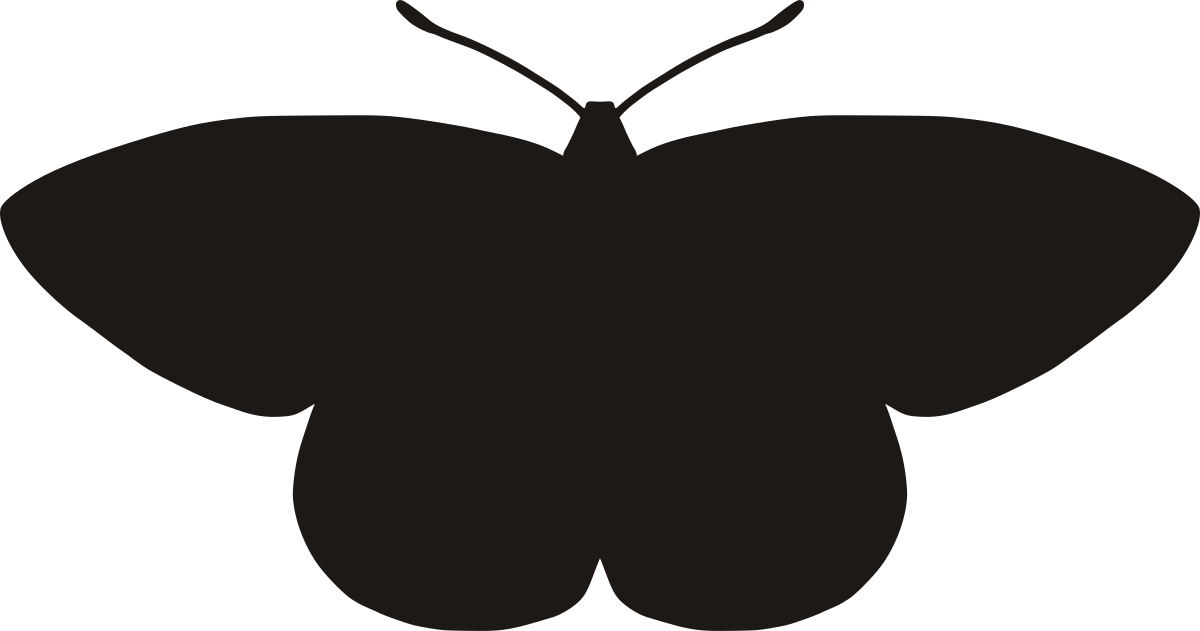
30 mm · wingspan
Size source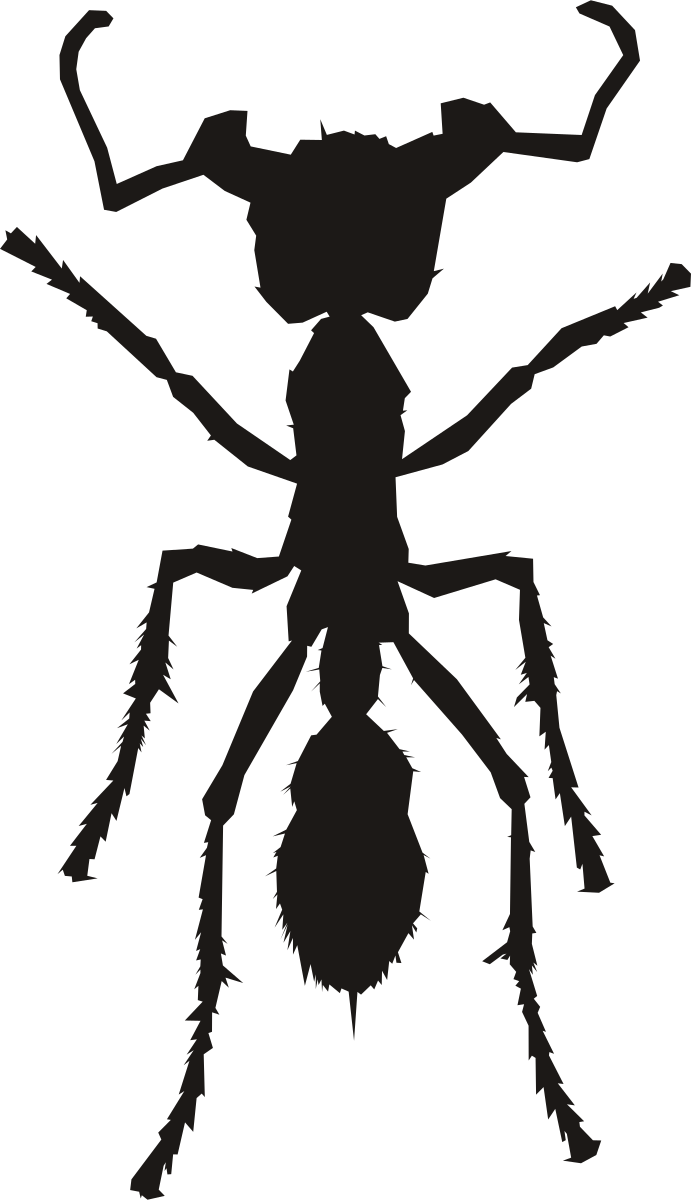
28 mm · body length
Size source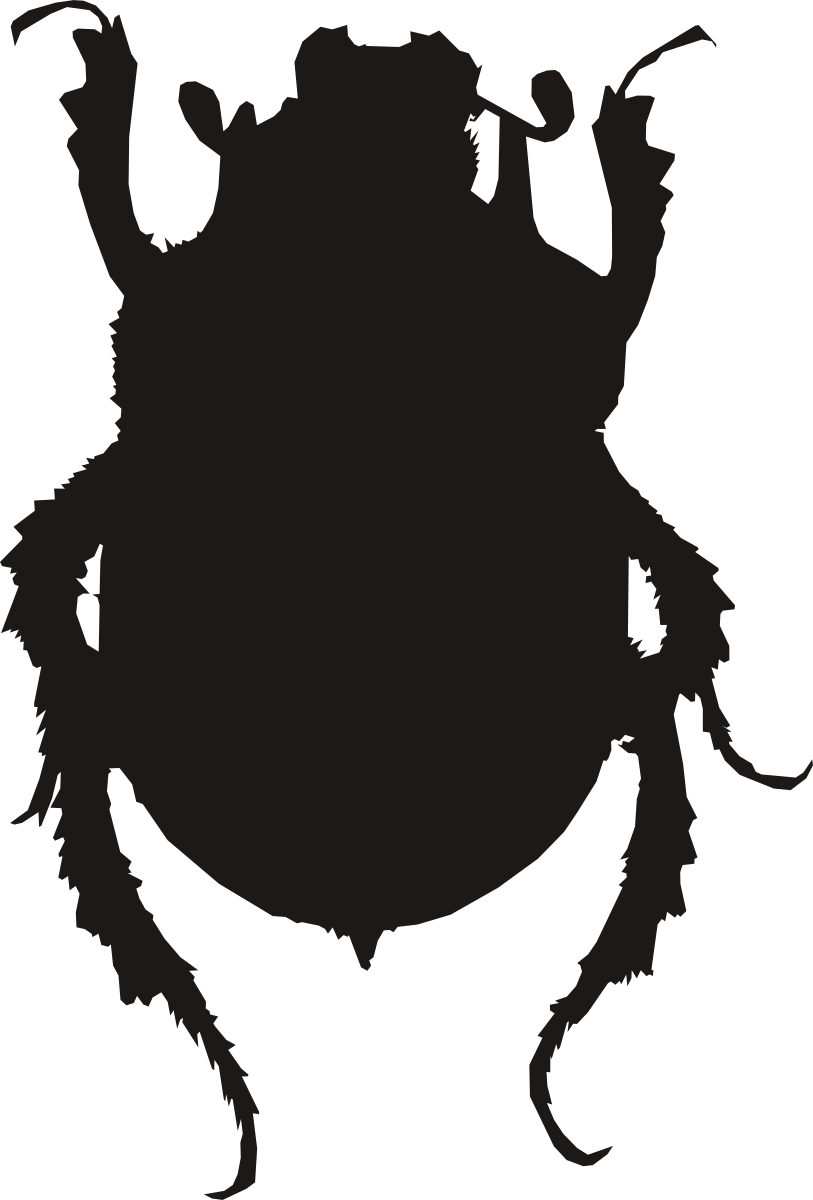
24 mm · length including horns
Size source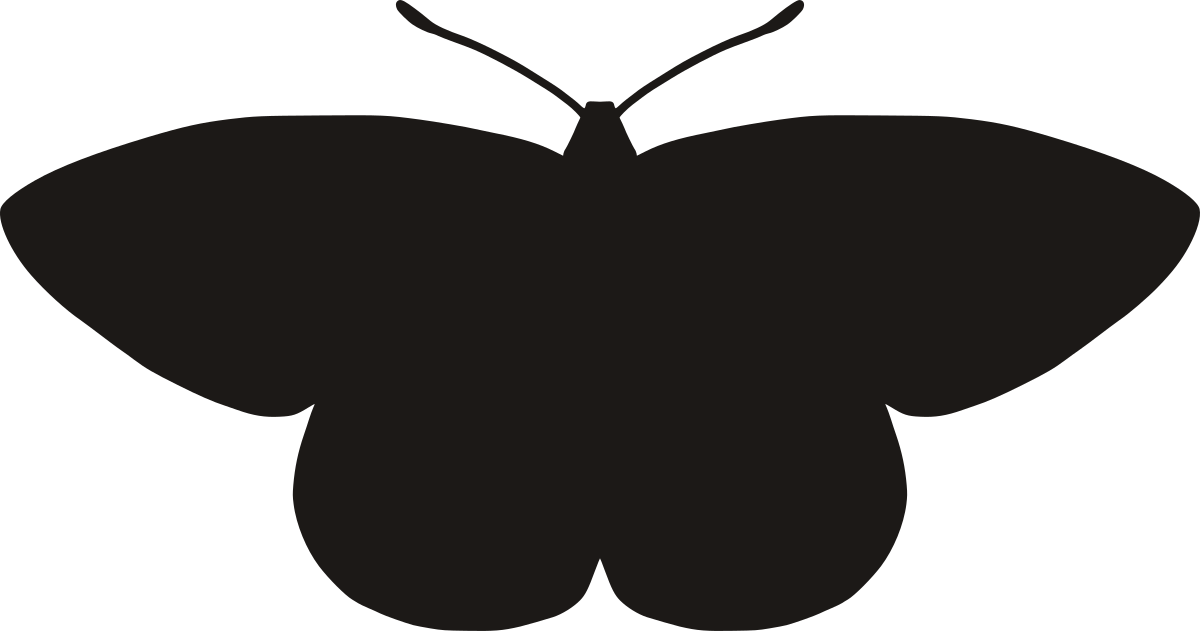
22.5 mm · wingspan
Size source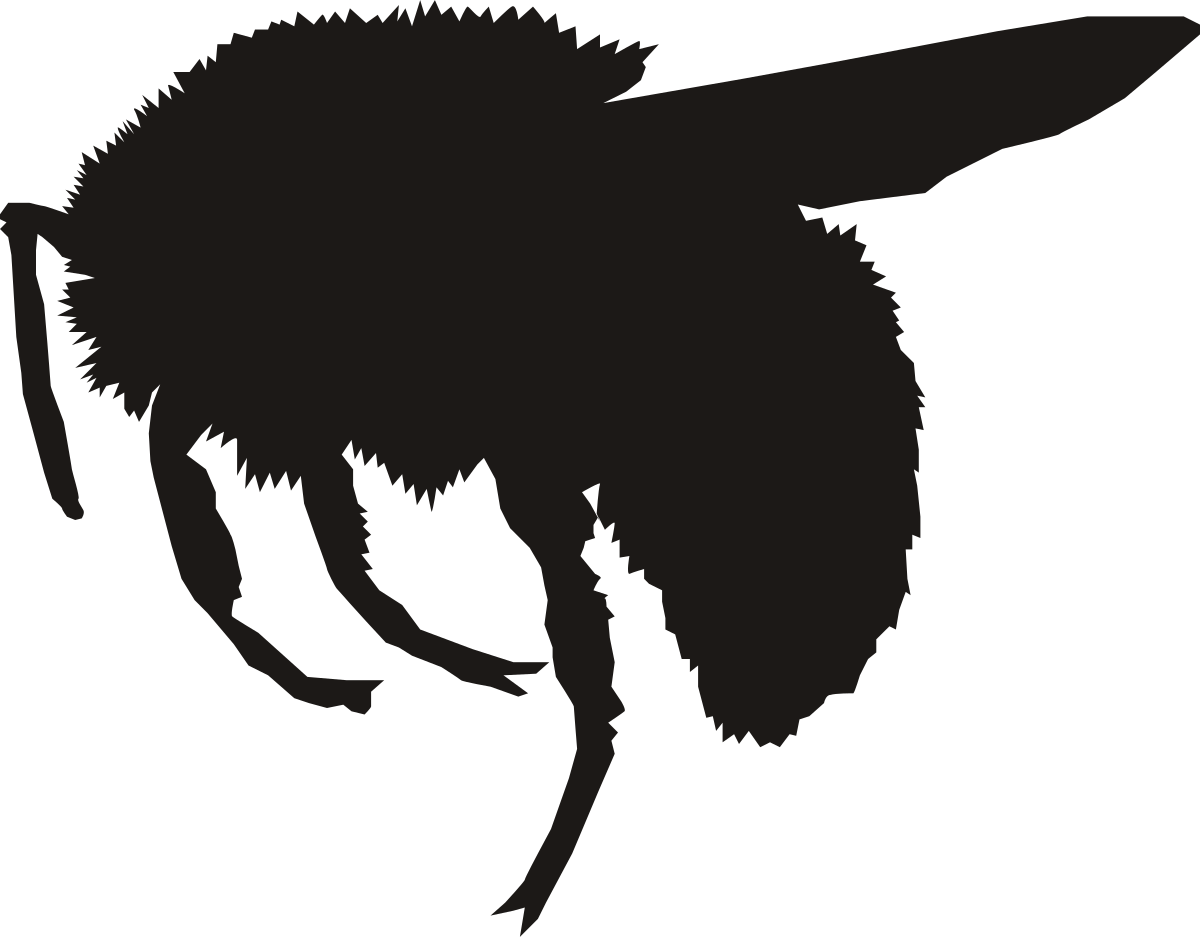
22 mm · body length
Size source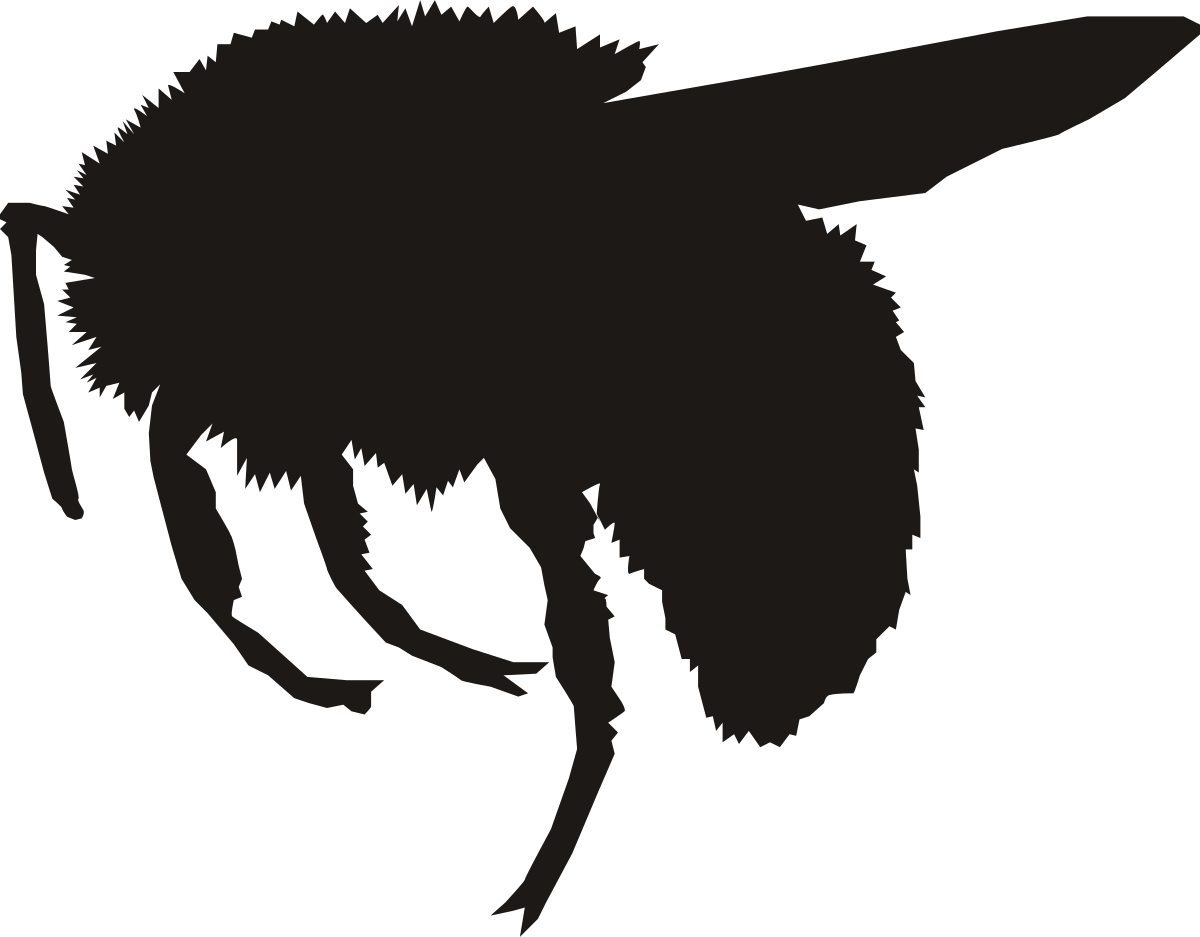
21 mm · body length
Size source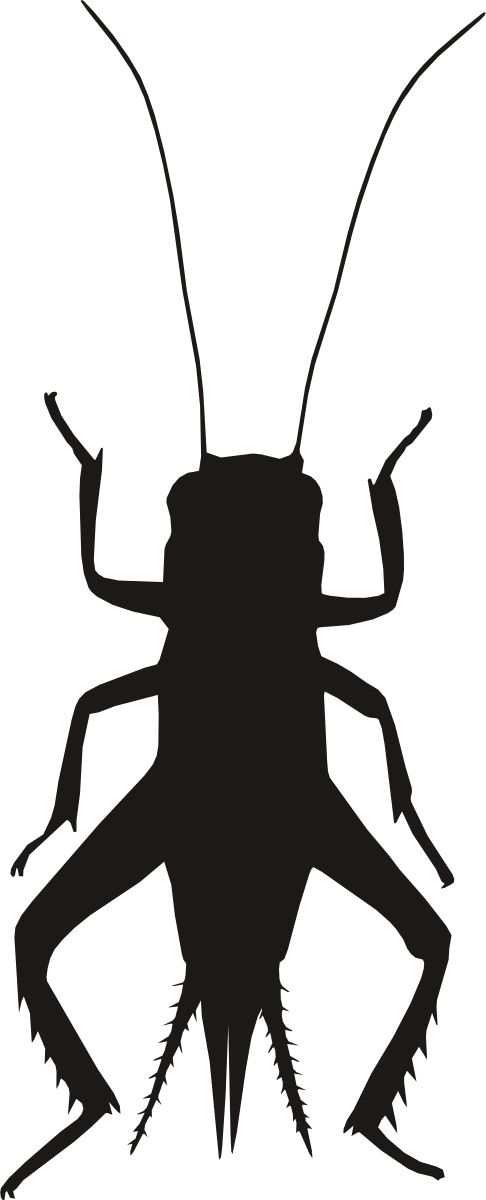
20 mm · body length
Size source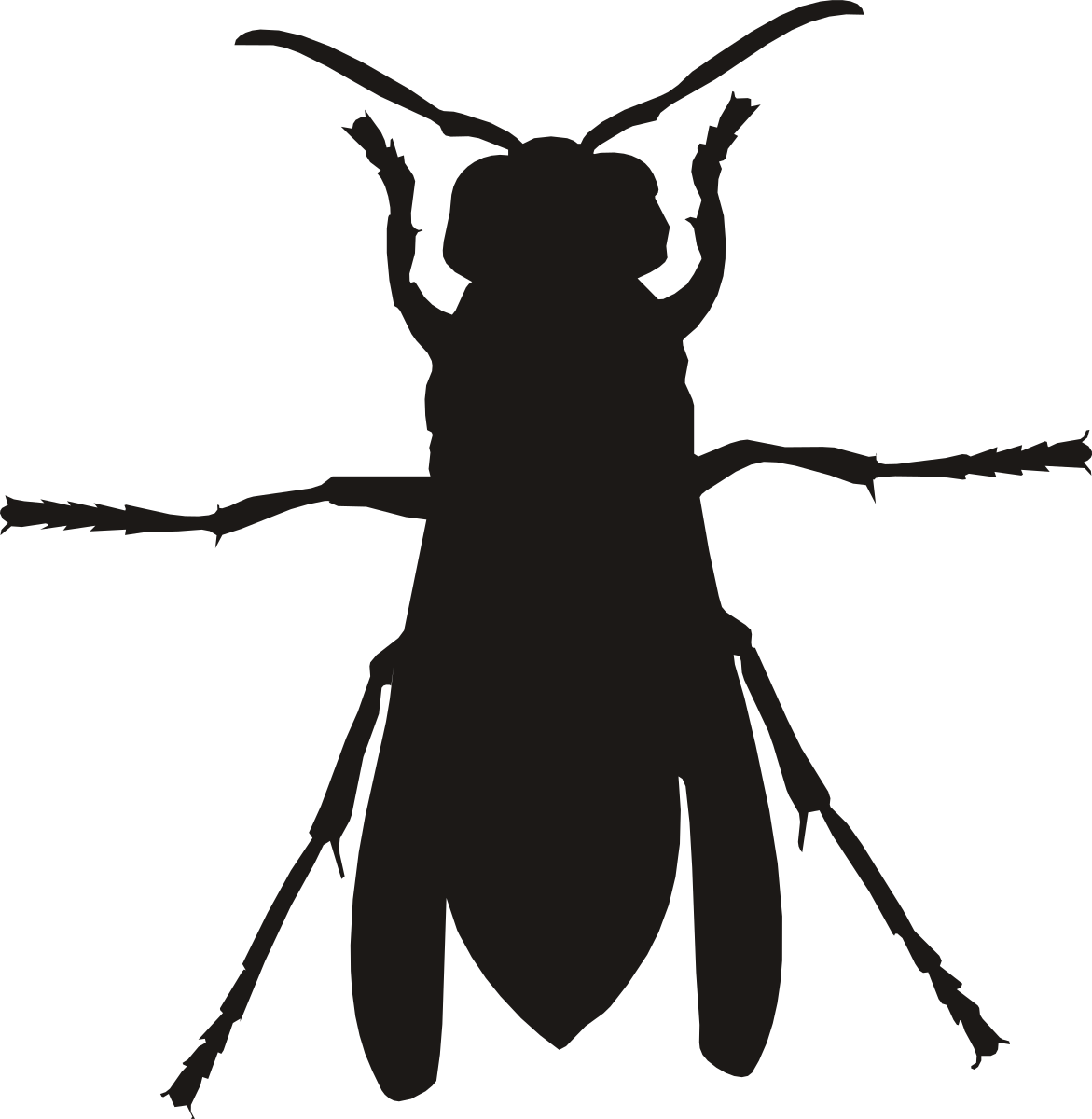
20 mm · body length
Size source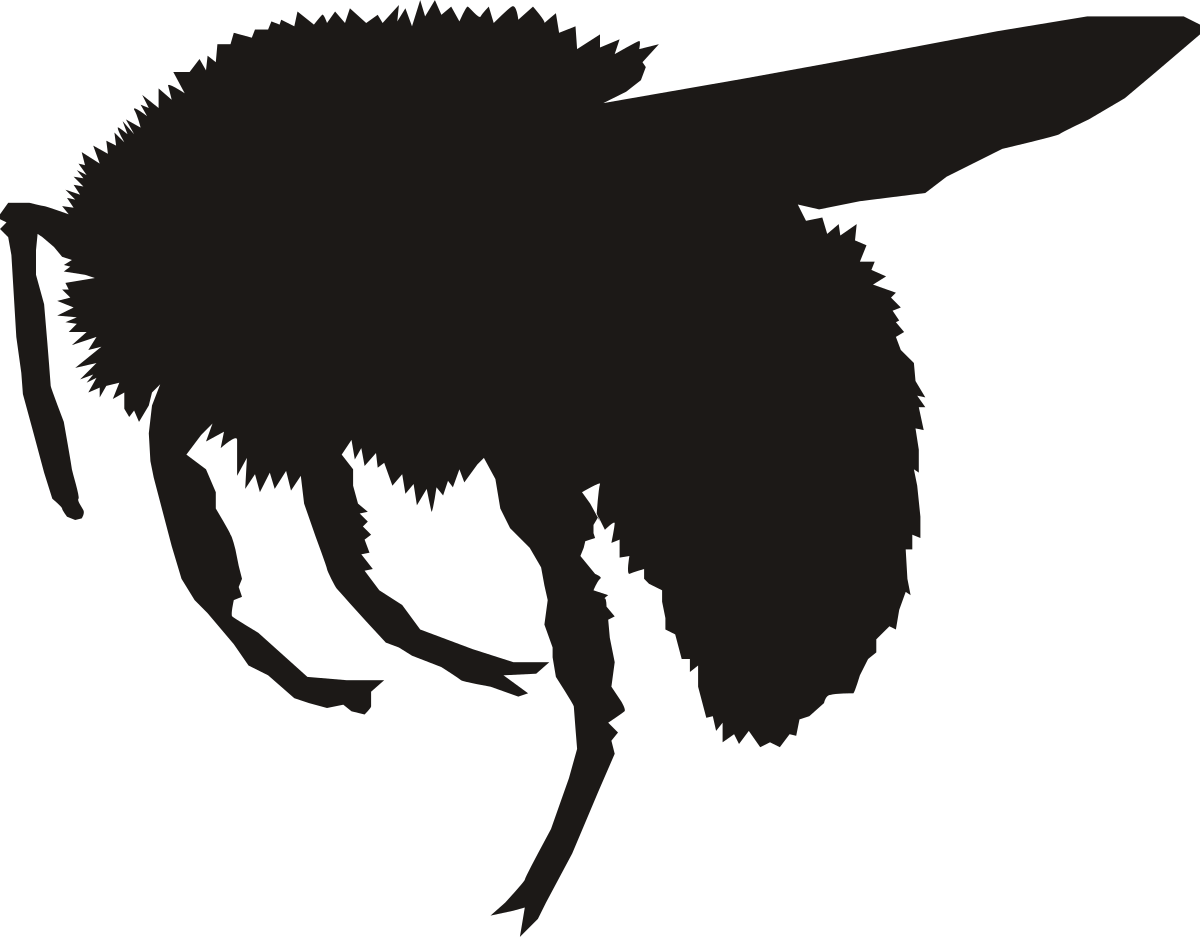
20 mm · body length
Size source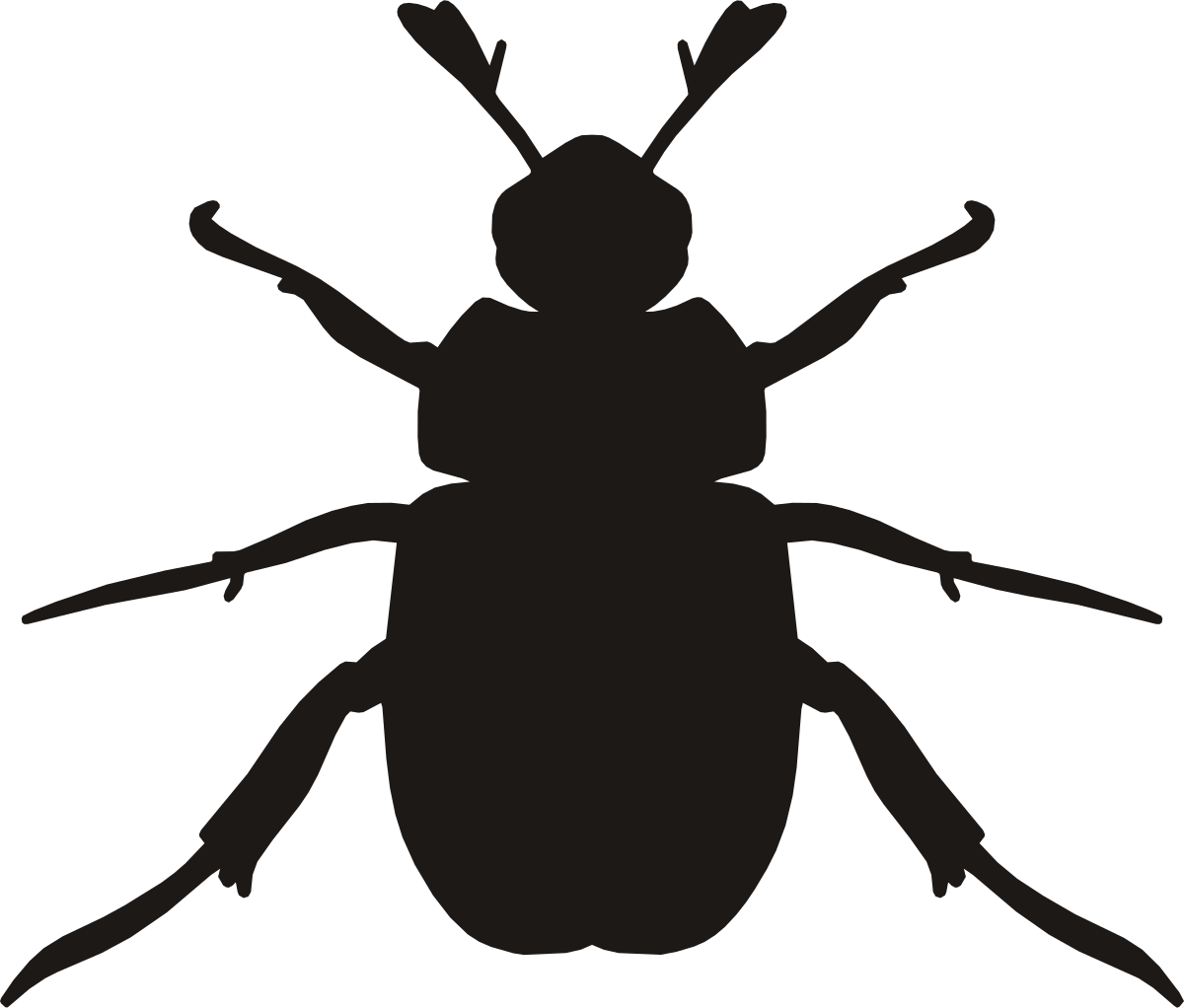
20 mm · body length
Size source
18.5 mm · body length
Size source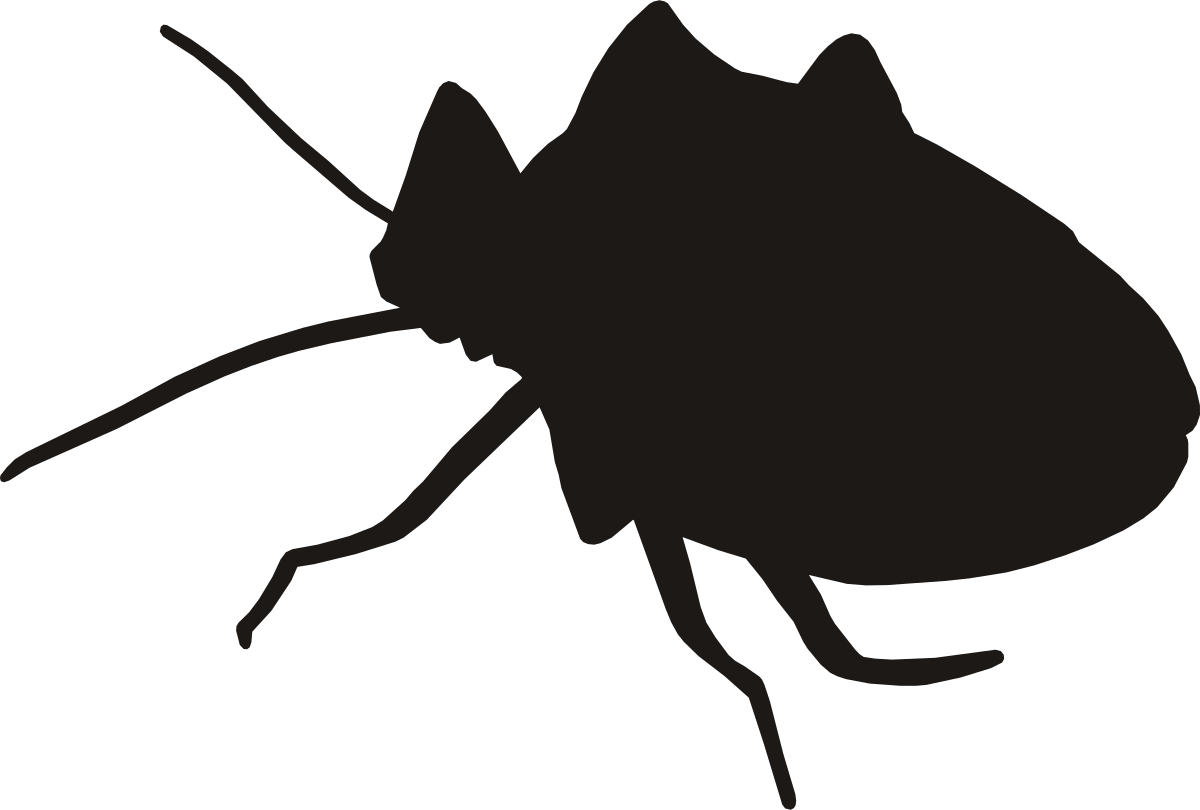
17 mm · body length
Size source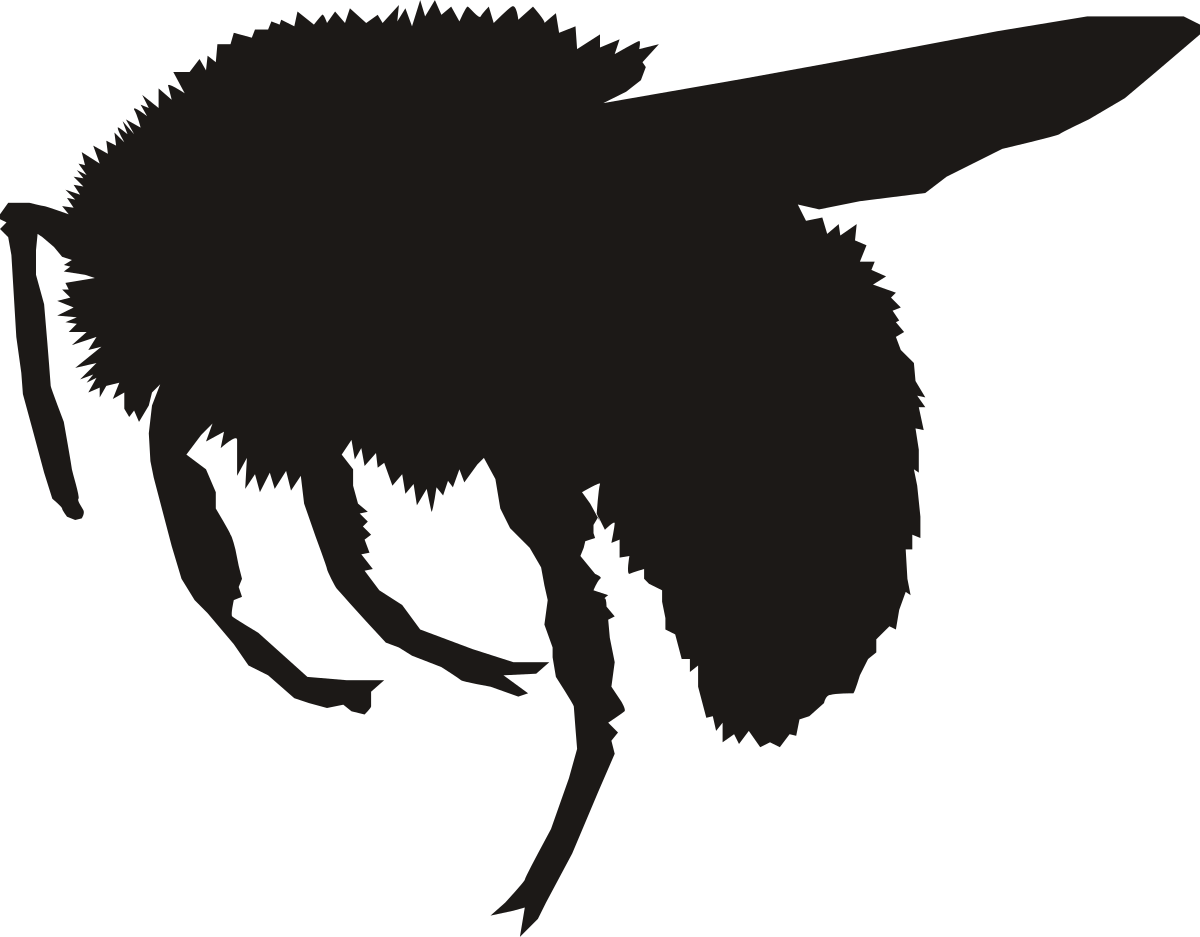
17 mm · body length
Size source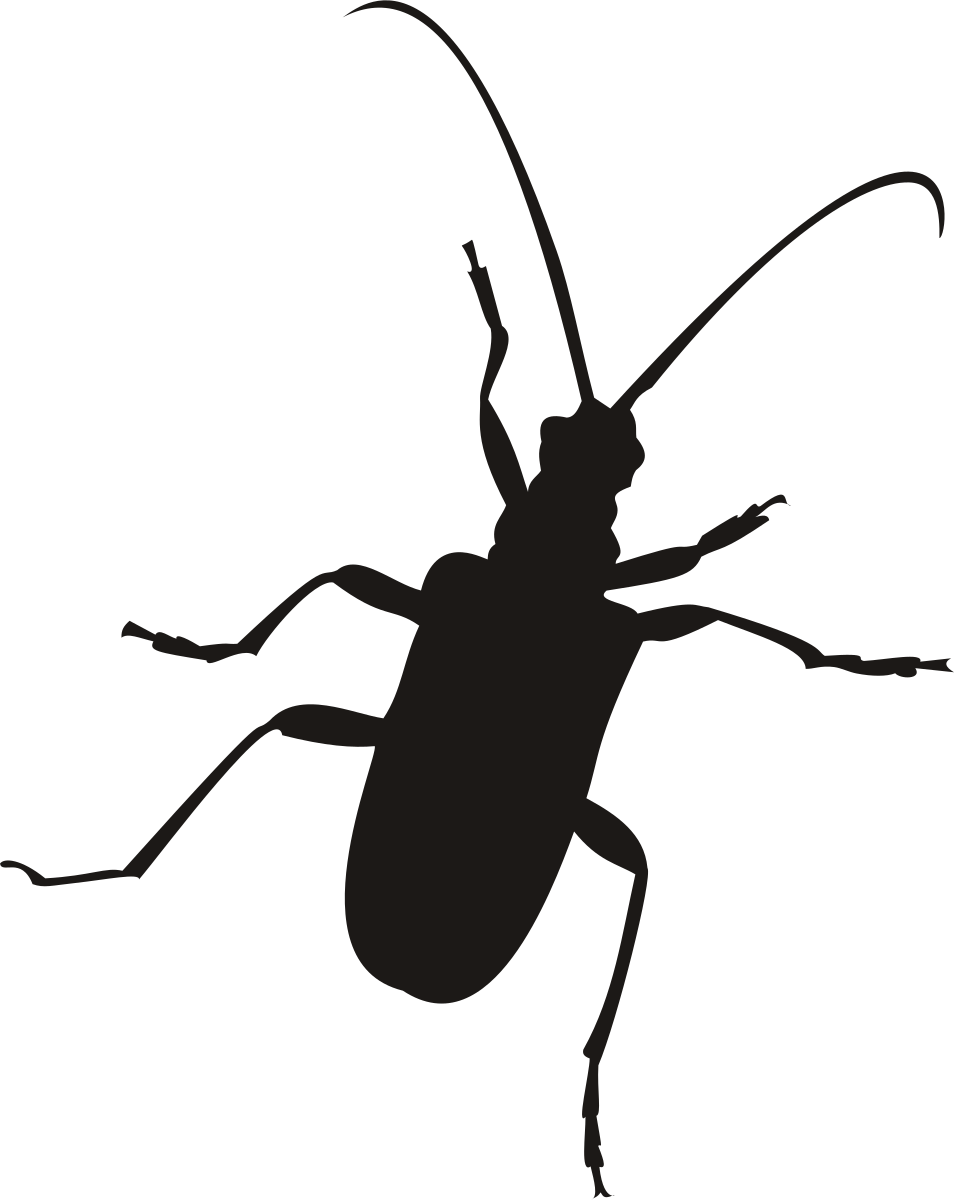
16 mm · body length
Size source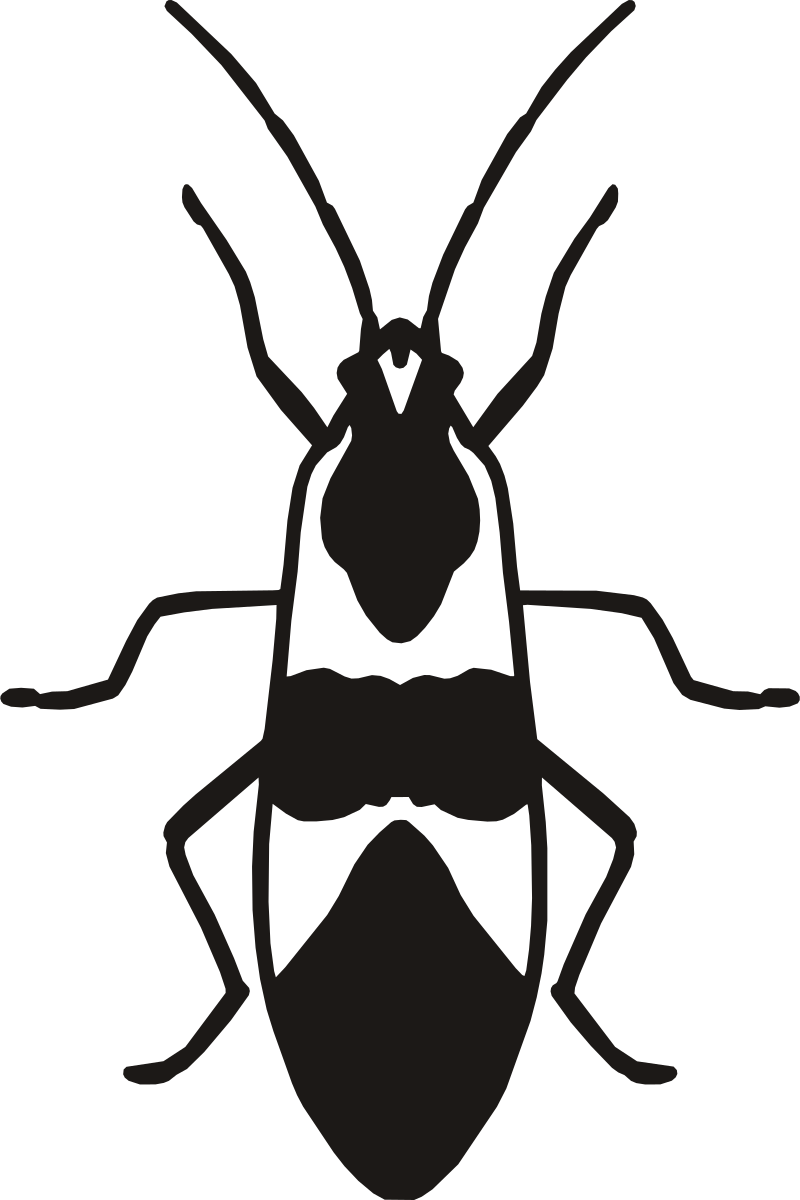
15 mm · body length
Size source
14 mm · body length
Size source
13 mm · body length
Size source
13 mm · body length
Size source
13 mm · body length
Size source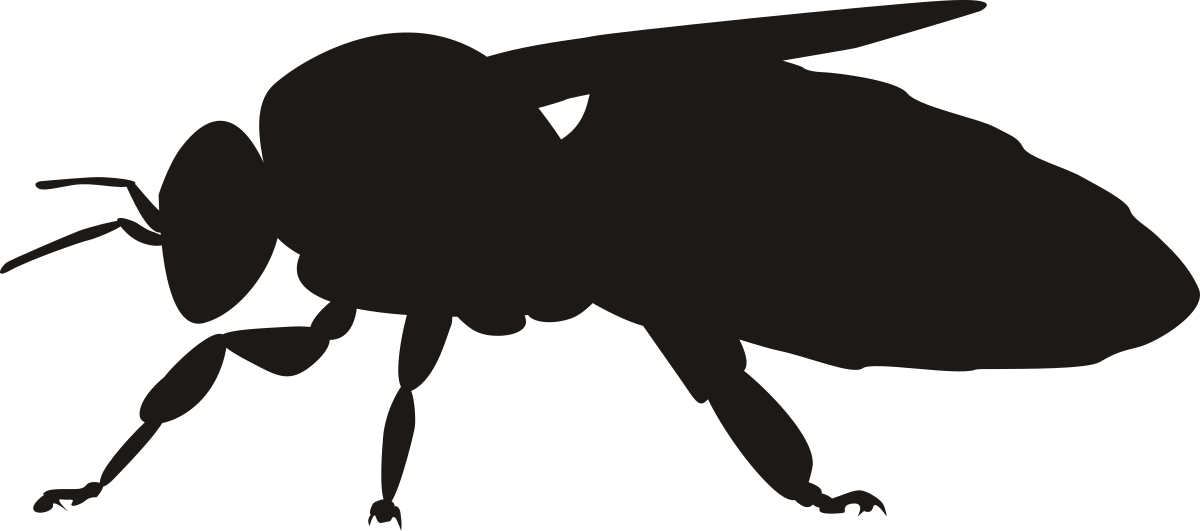
12 mm · body length
Size source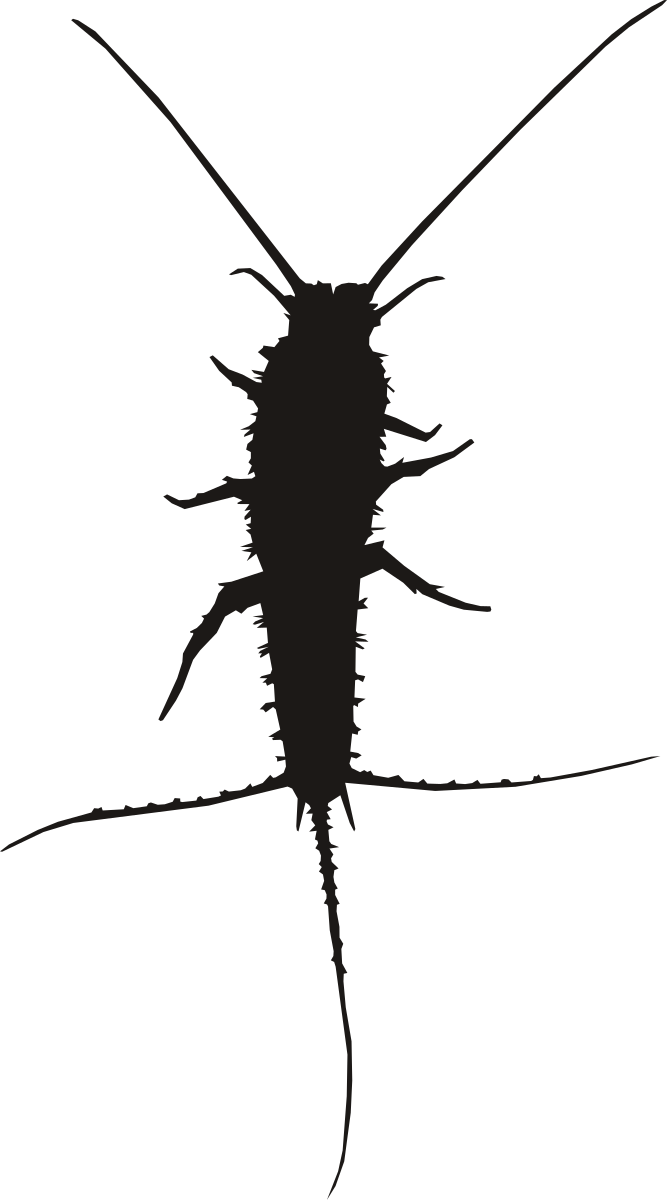
11.5 mm · body length
Size source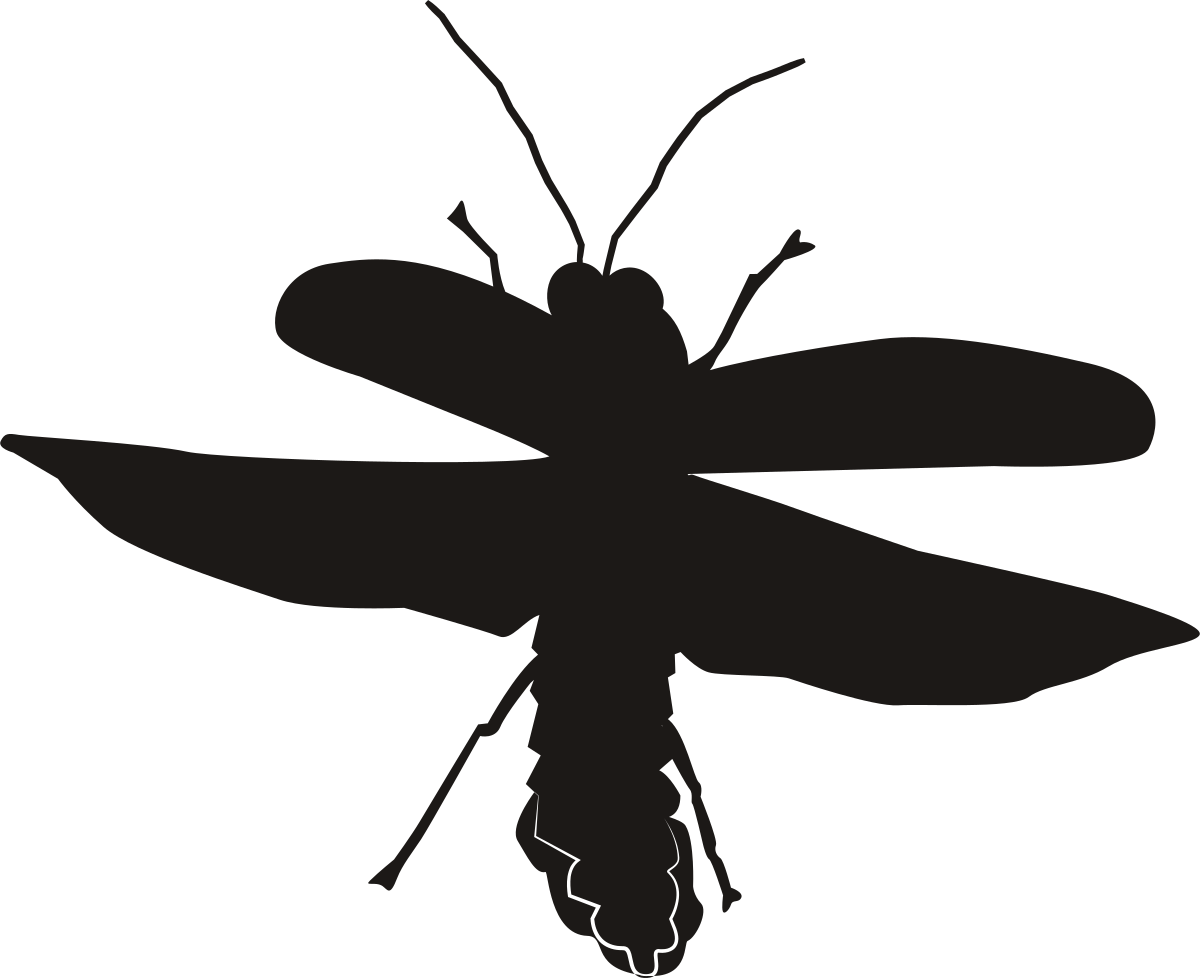
10.7 mm · body length
Size source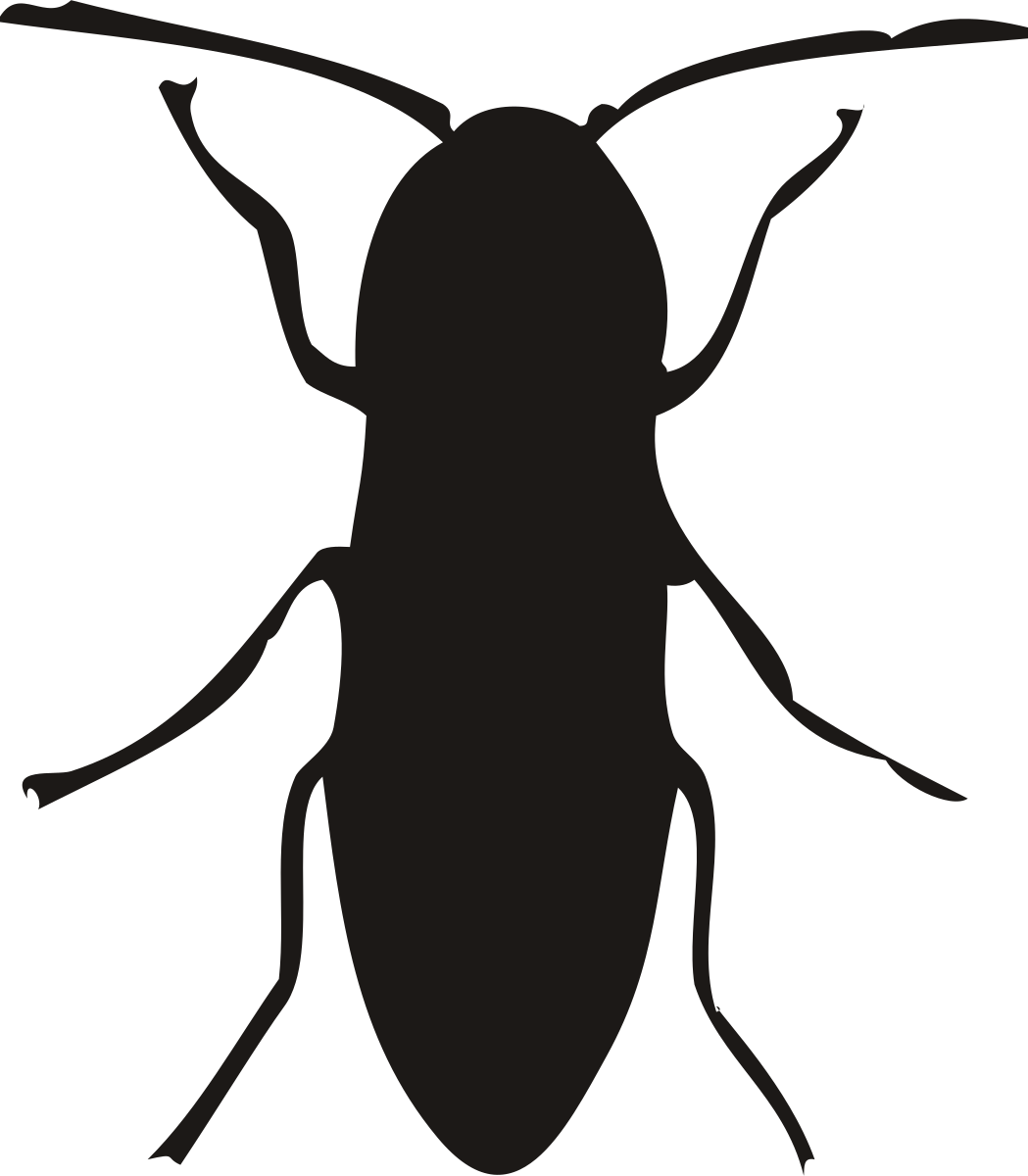
10 mm · body length
Size source
9.8 mm · body length
Size source
8.9 mm · body length
Size source
8.1 mm · body length
Size source
8 mm · body length
Size source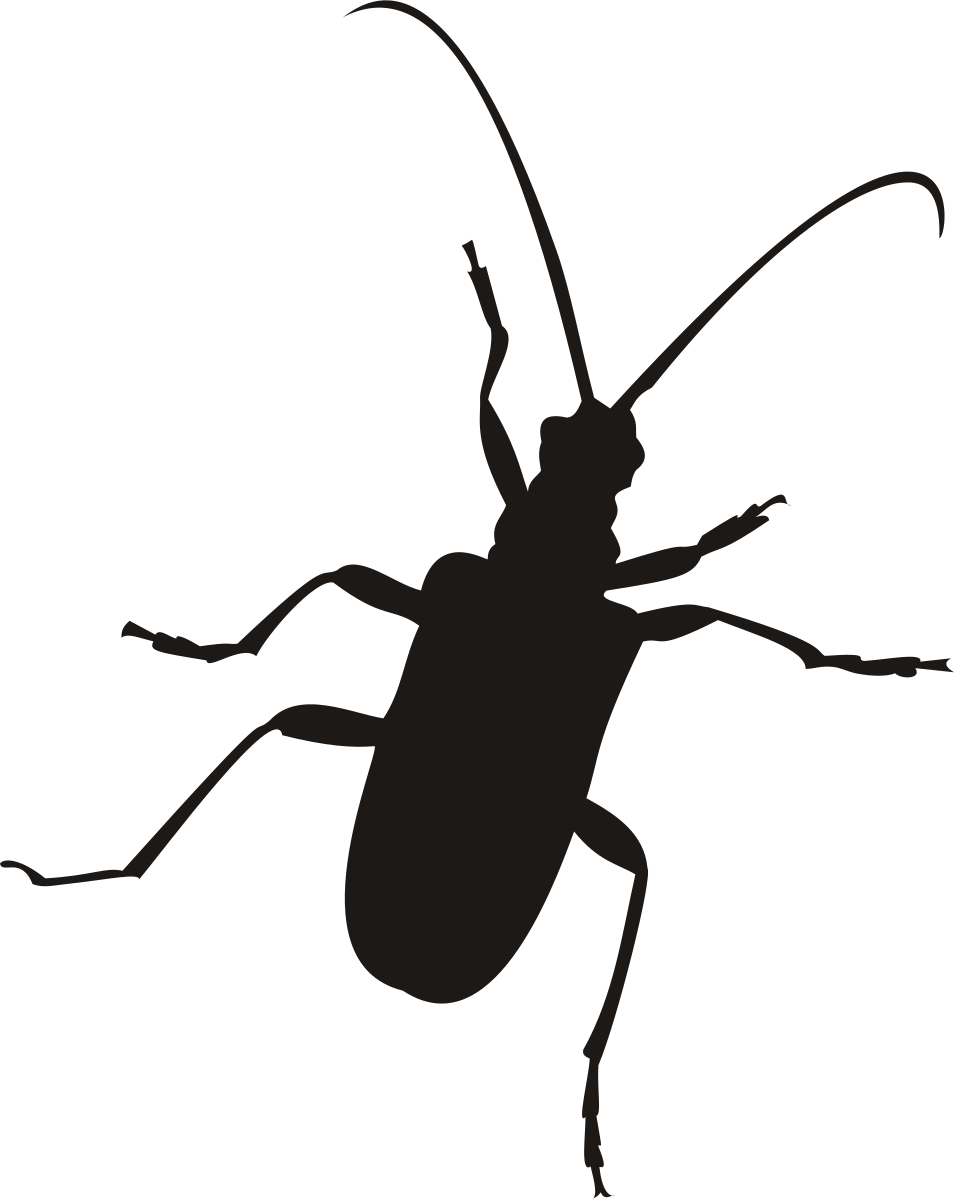
7.3 mm · body length
Size source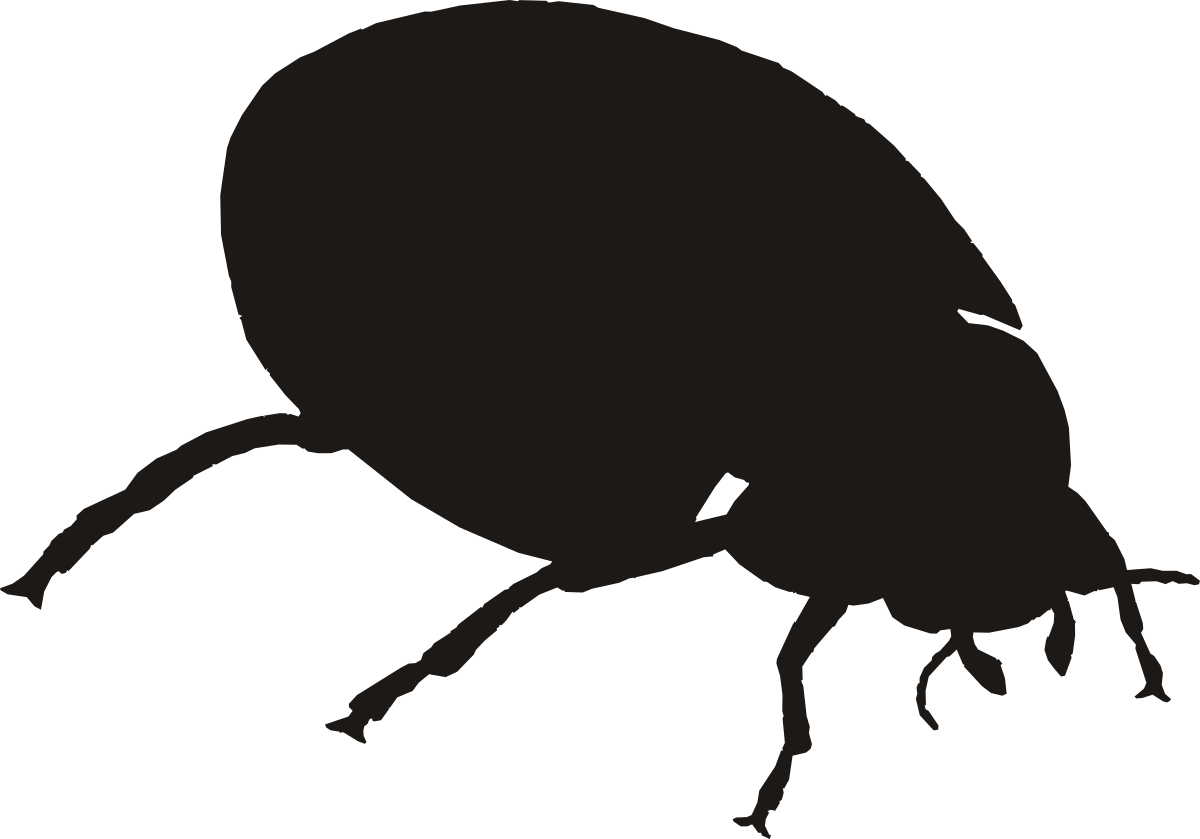
6.6 mm · body length
Size source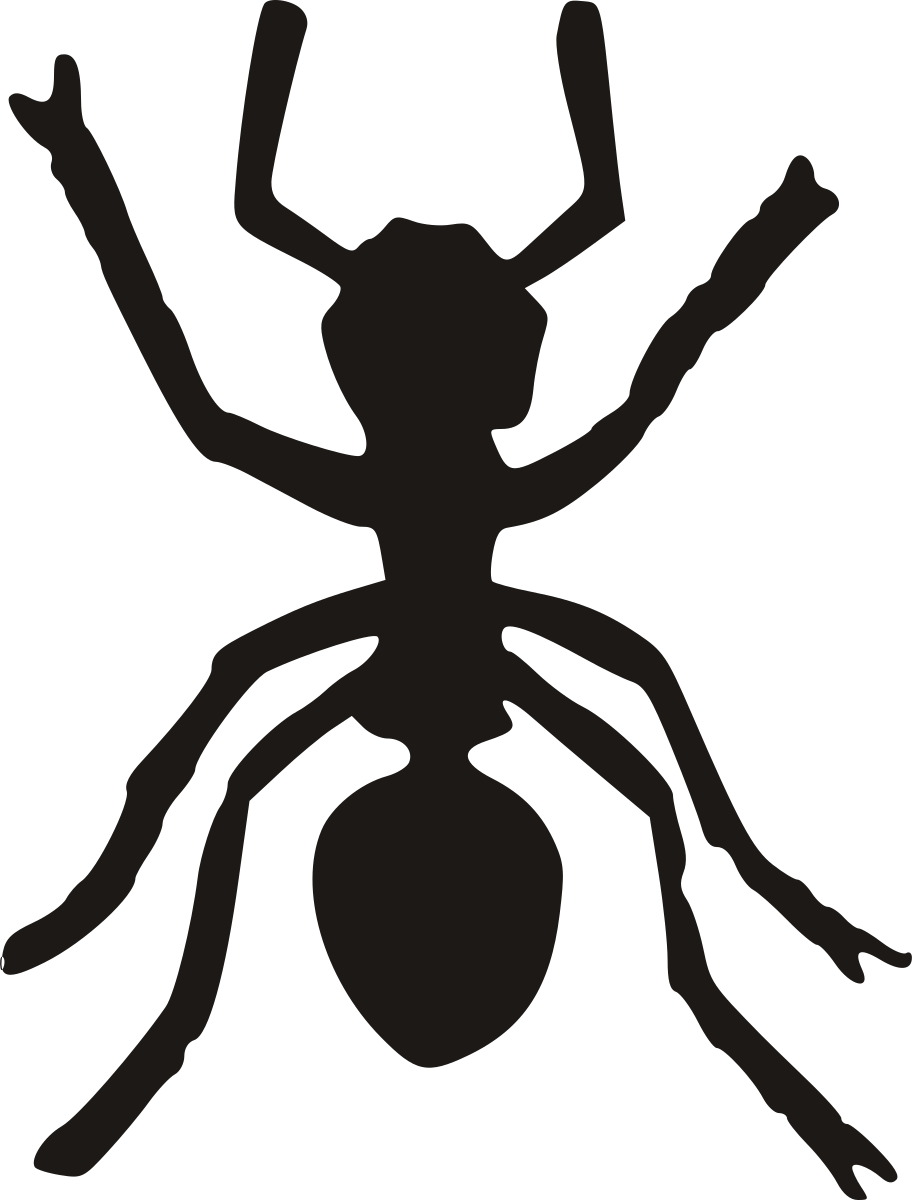
6 mm · body length
Size source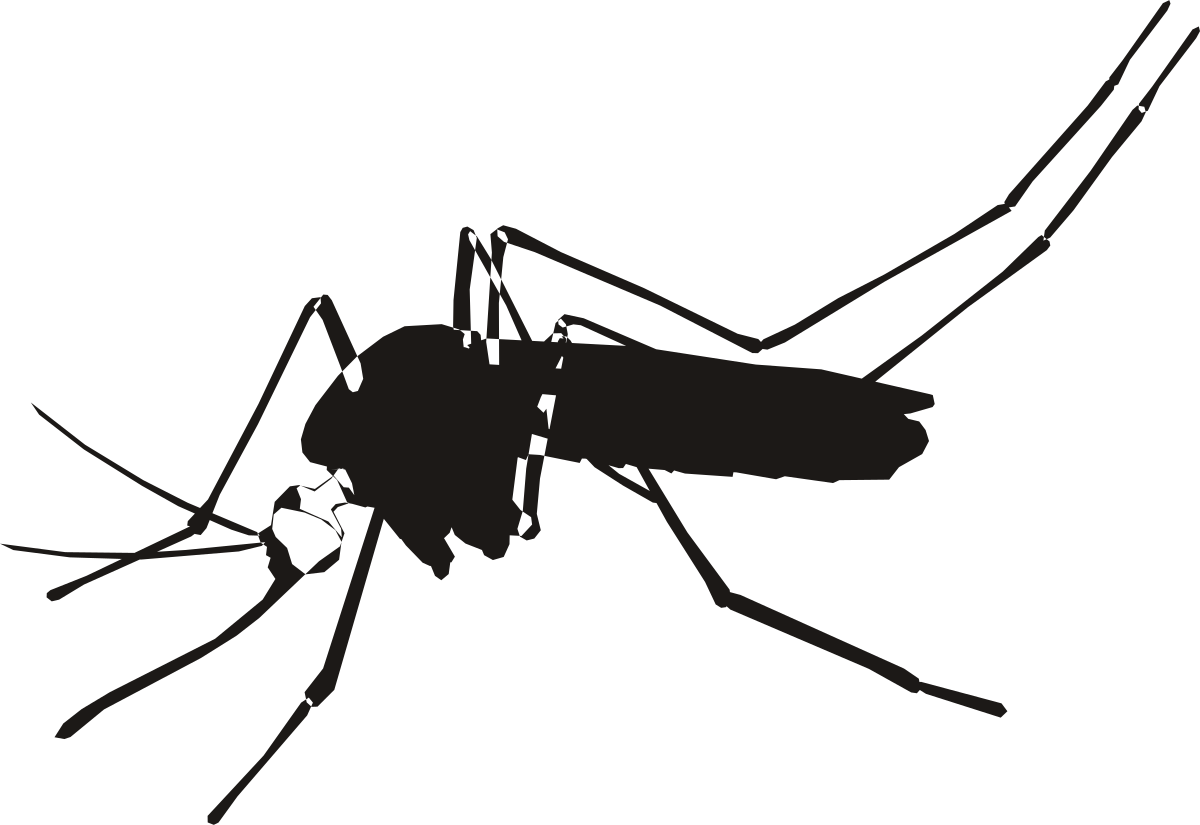
5 mm · body length
Size source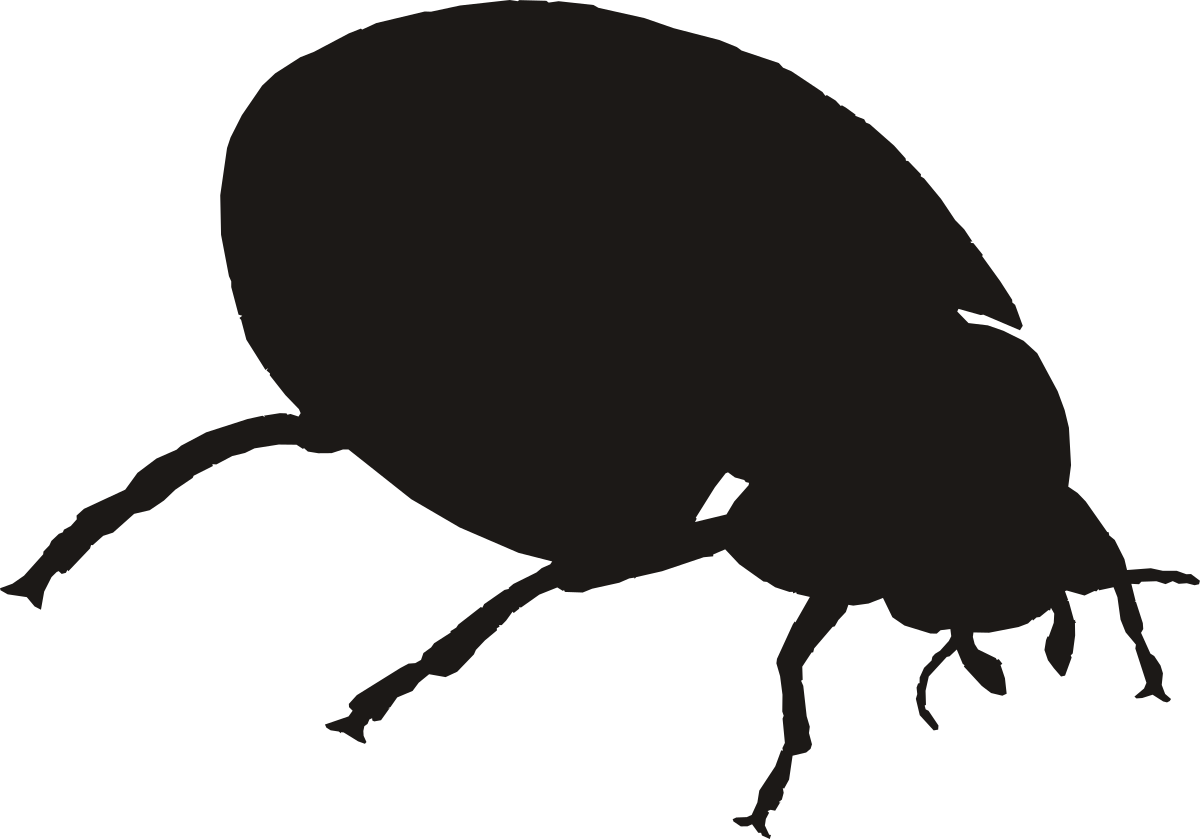
5 mm · body length
Size source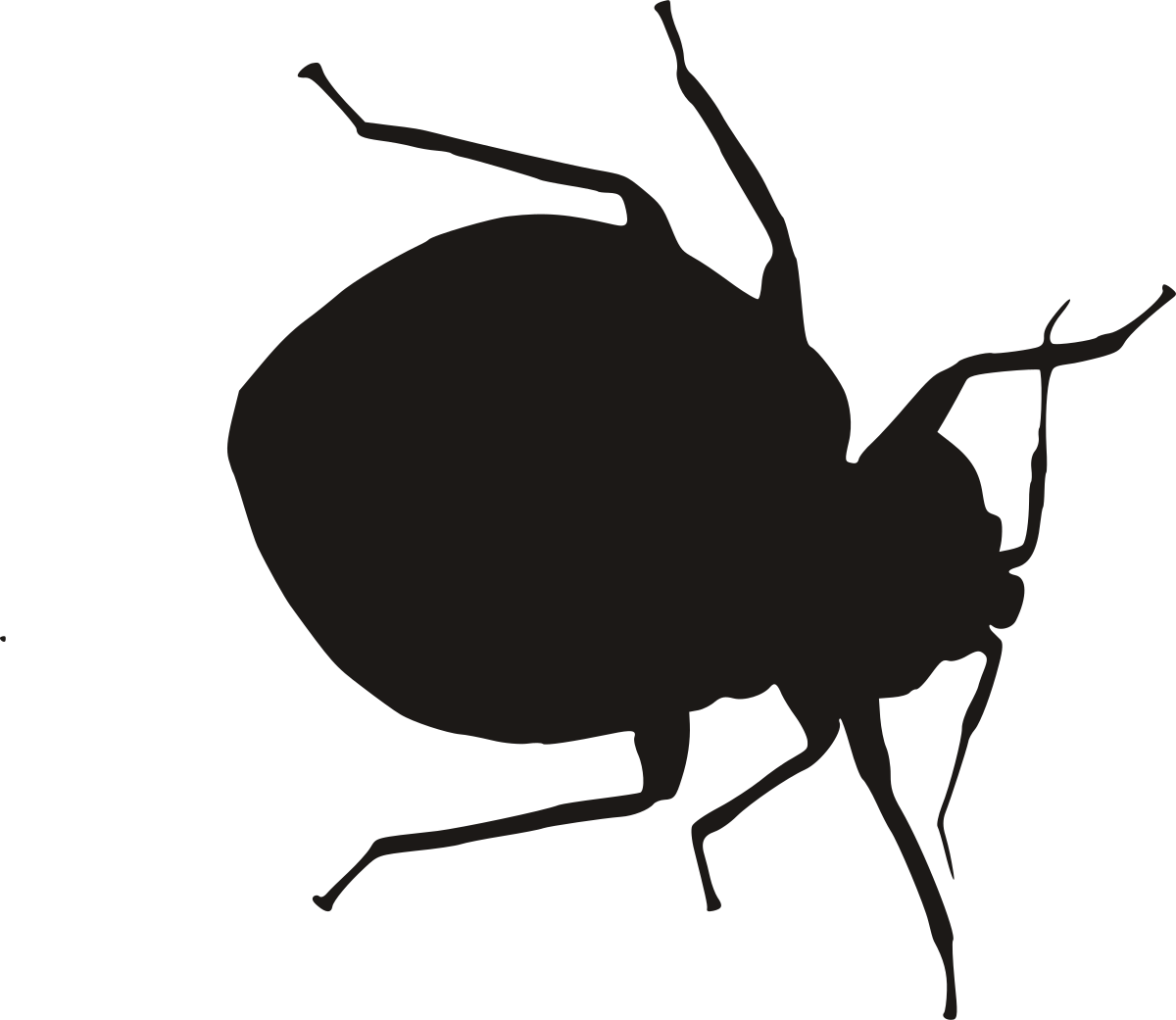
4.6 mm · body length
Size source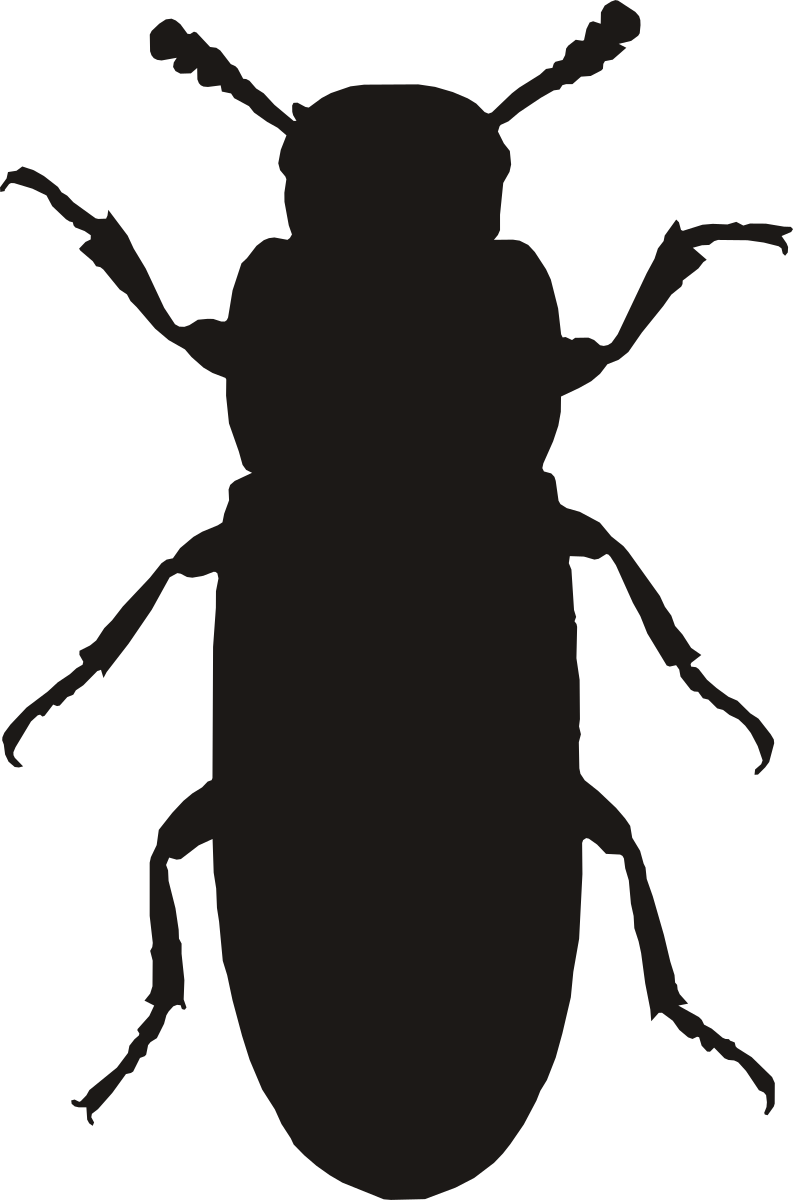
3.45 mm · body length
Size source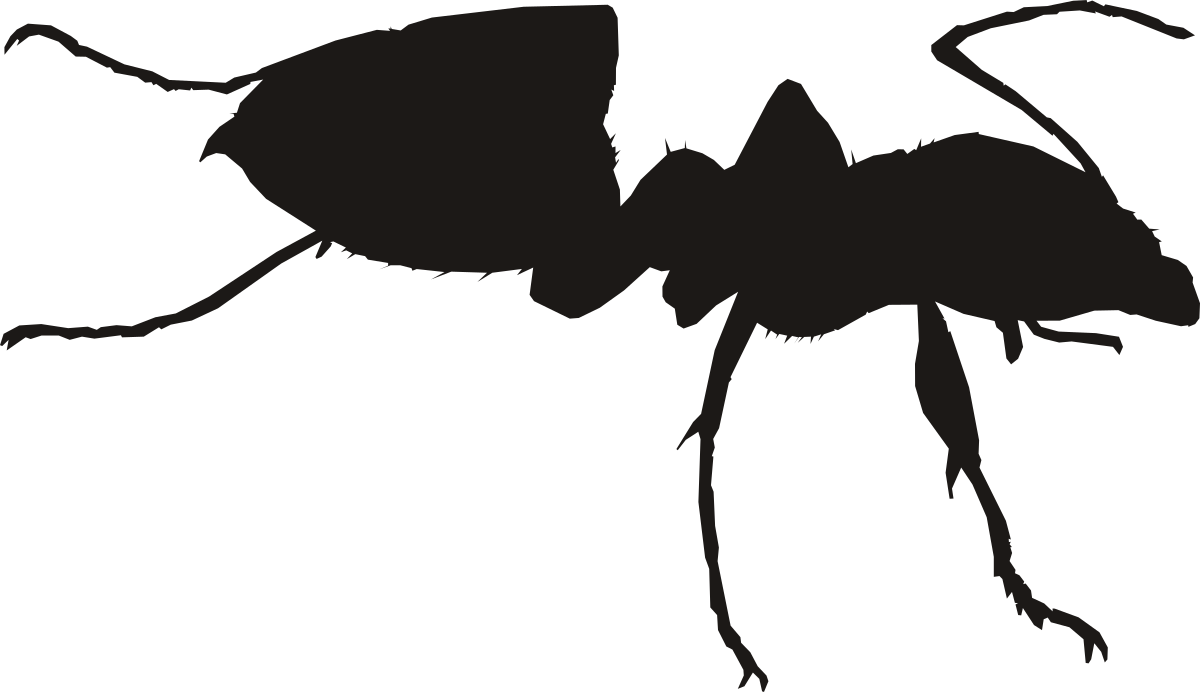
3 mm · body length
Size source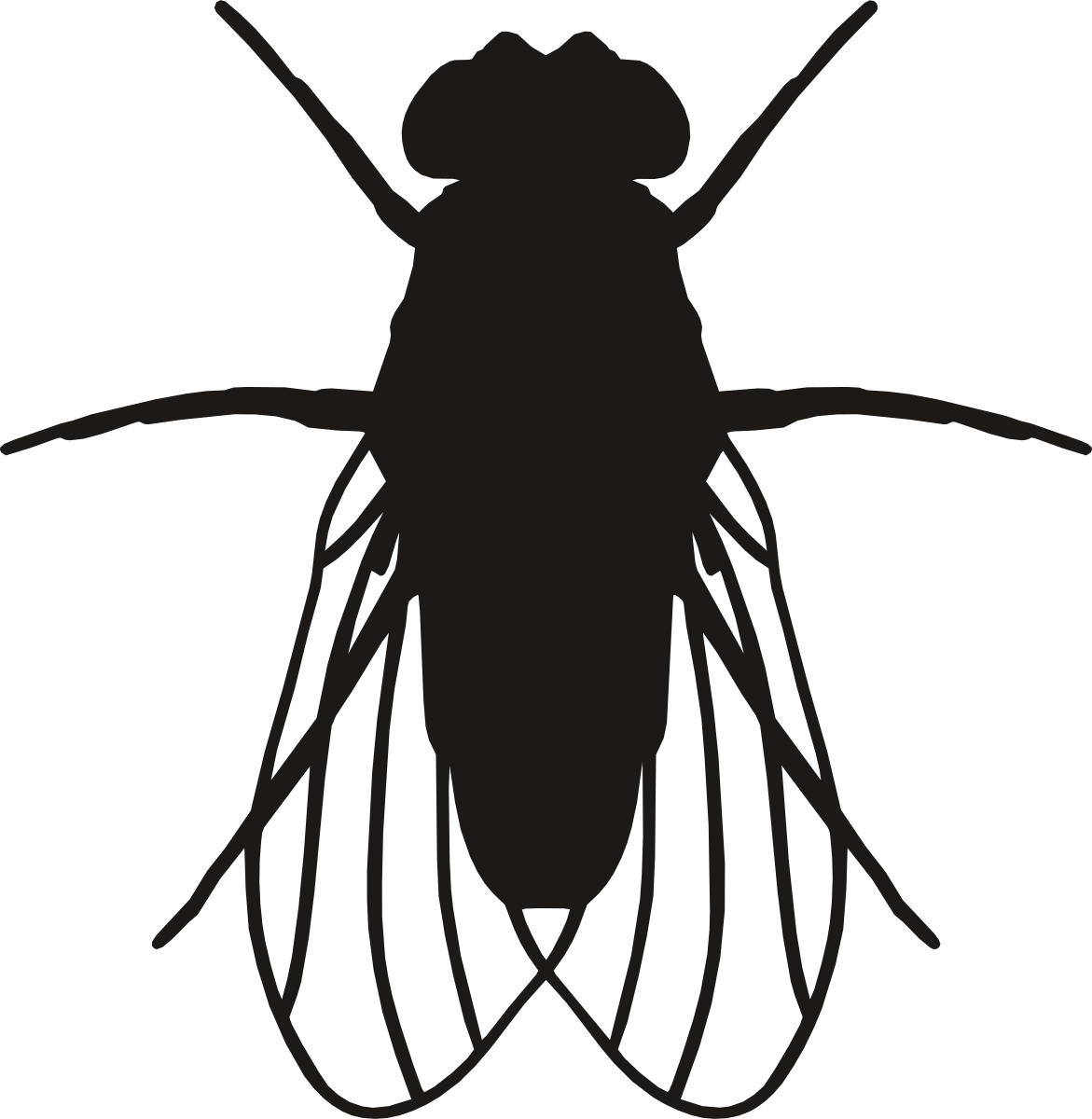
2.5 mm · body length
Size source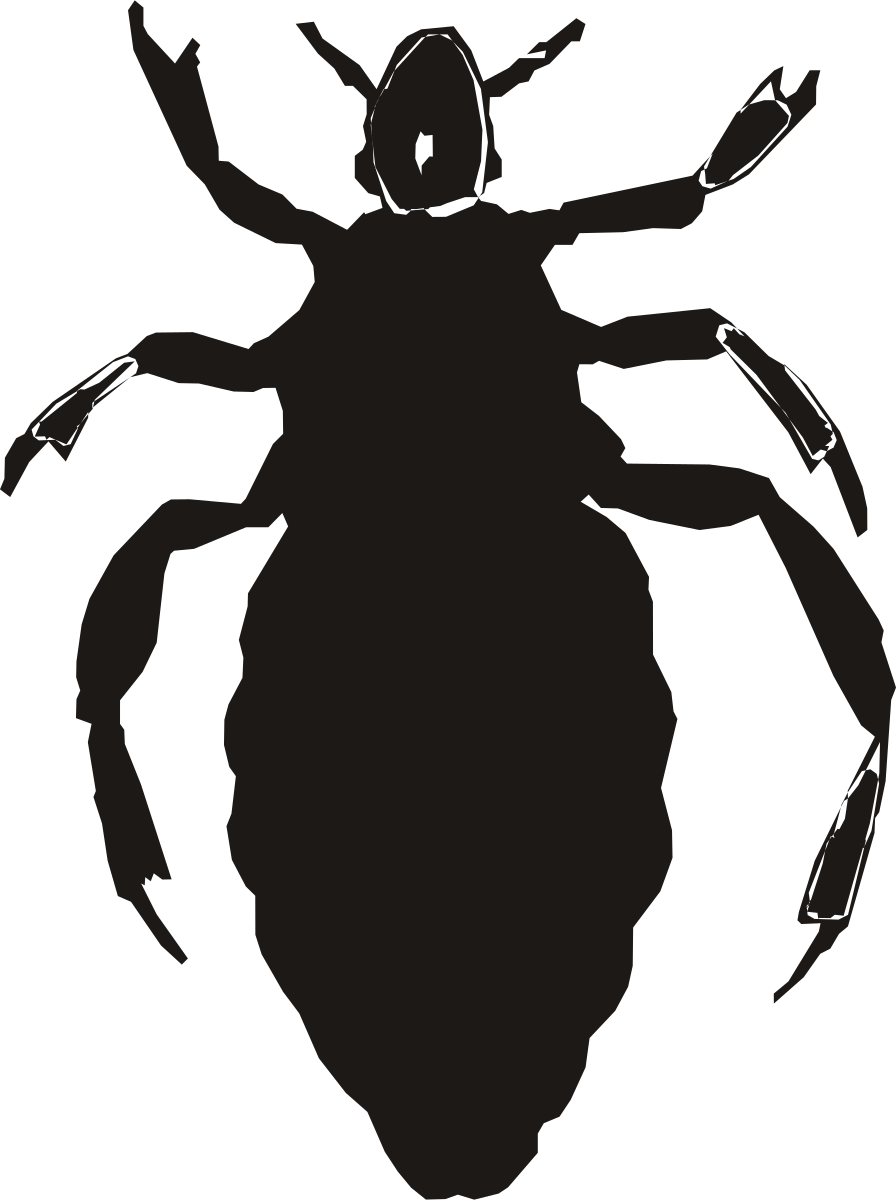
2.2 mm · body length
Size source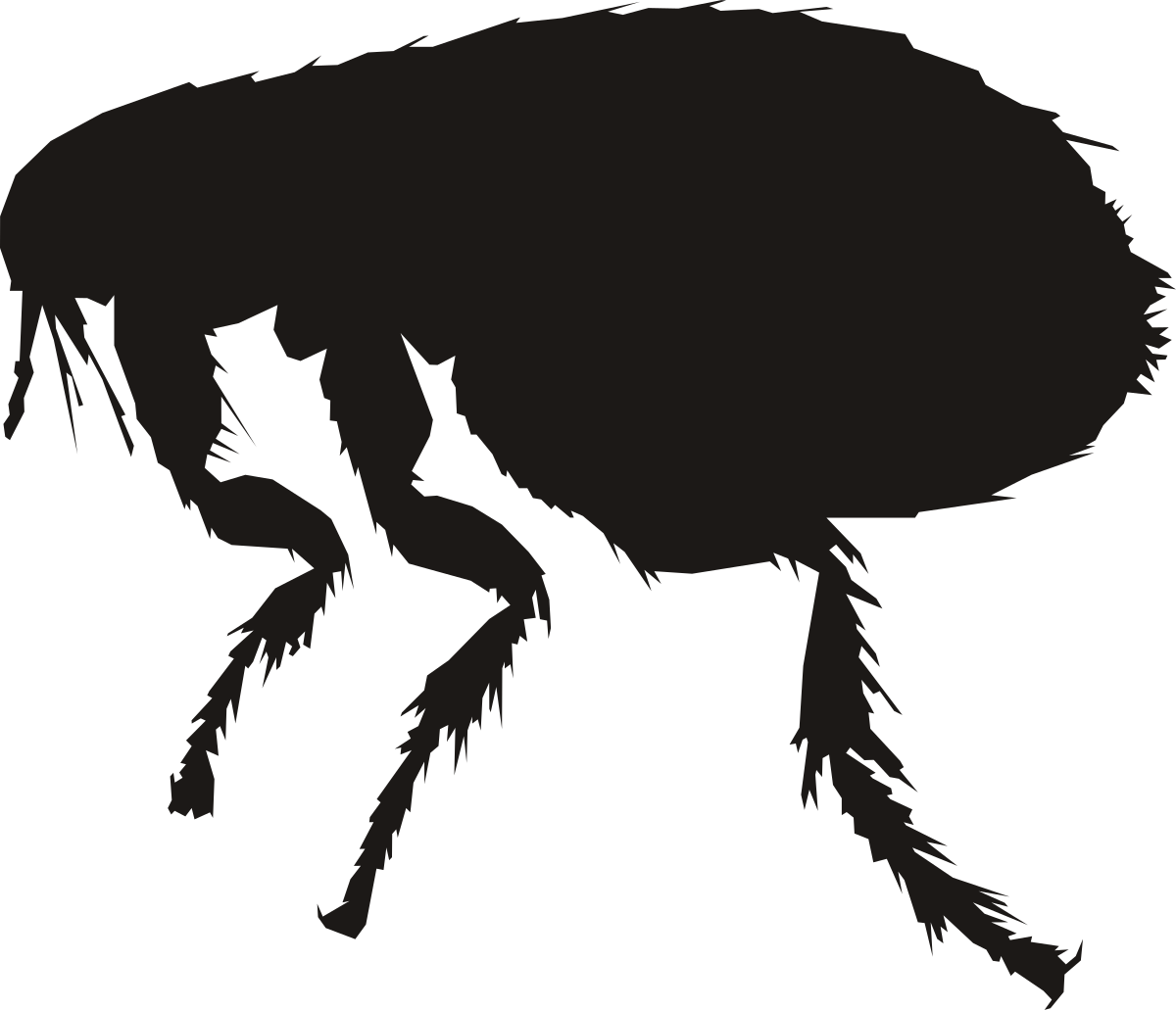
1.95 mm · body length
Size source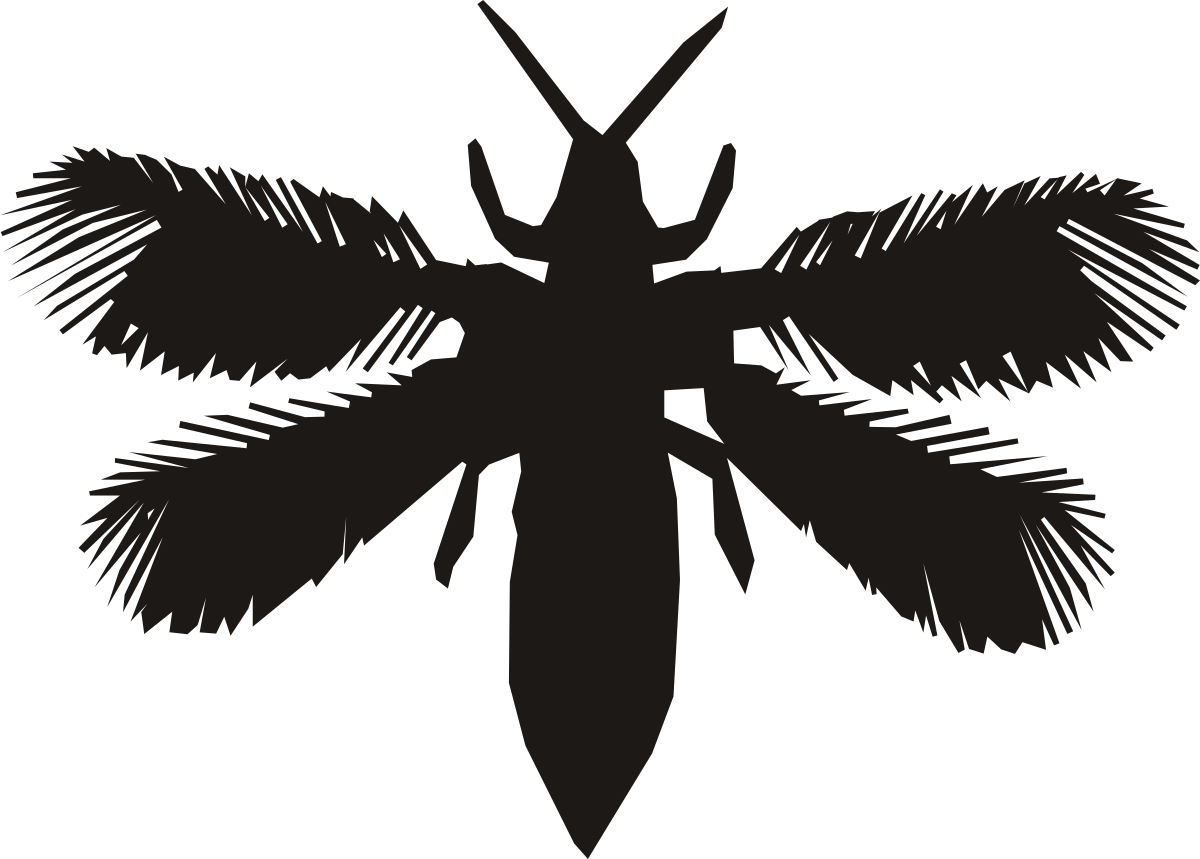
1.4 mm · body length
Size source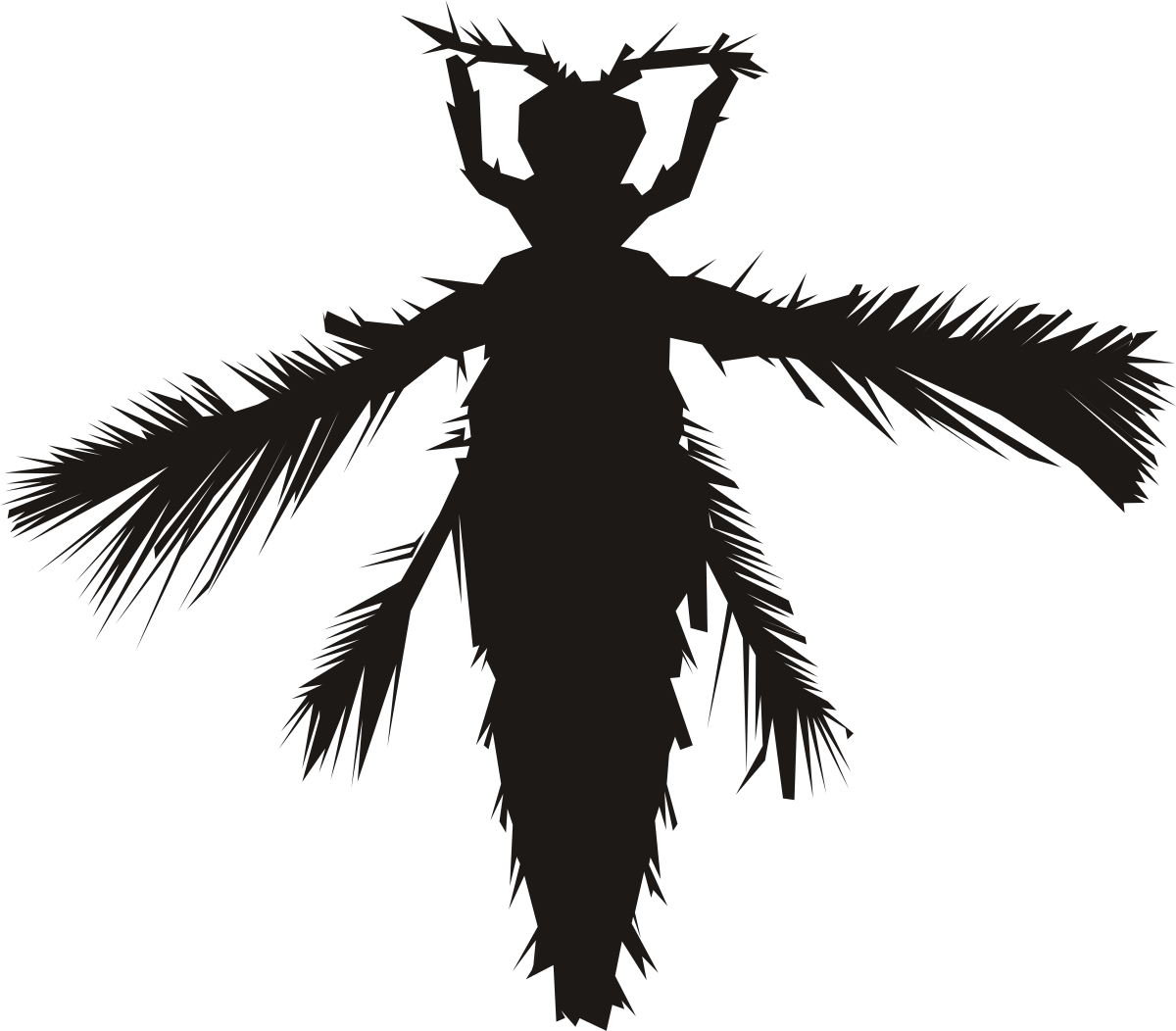
1.2 mm · body length
Size source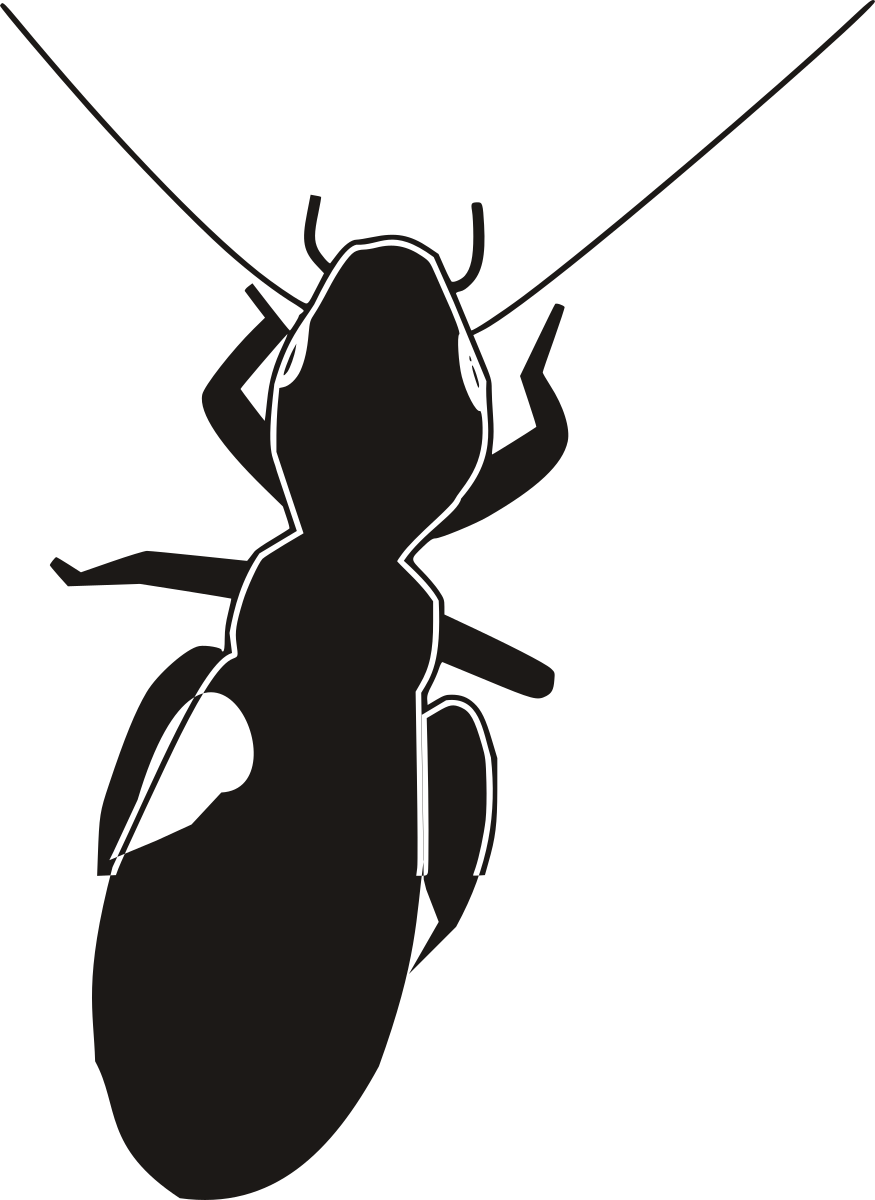
1 mm · body length
Size source07 / Build a millimetre ruler
Start with a tiny anchor: the worker garden ant is 3 mm long. The honeybee is 12 mm. Those body lengths provide a useful first estimate in Size It Up Insects.
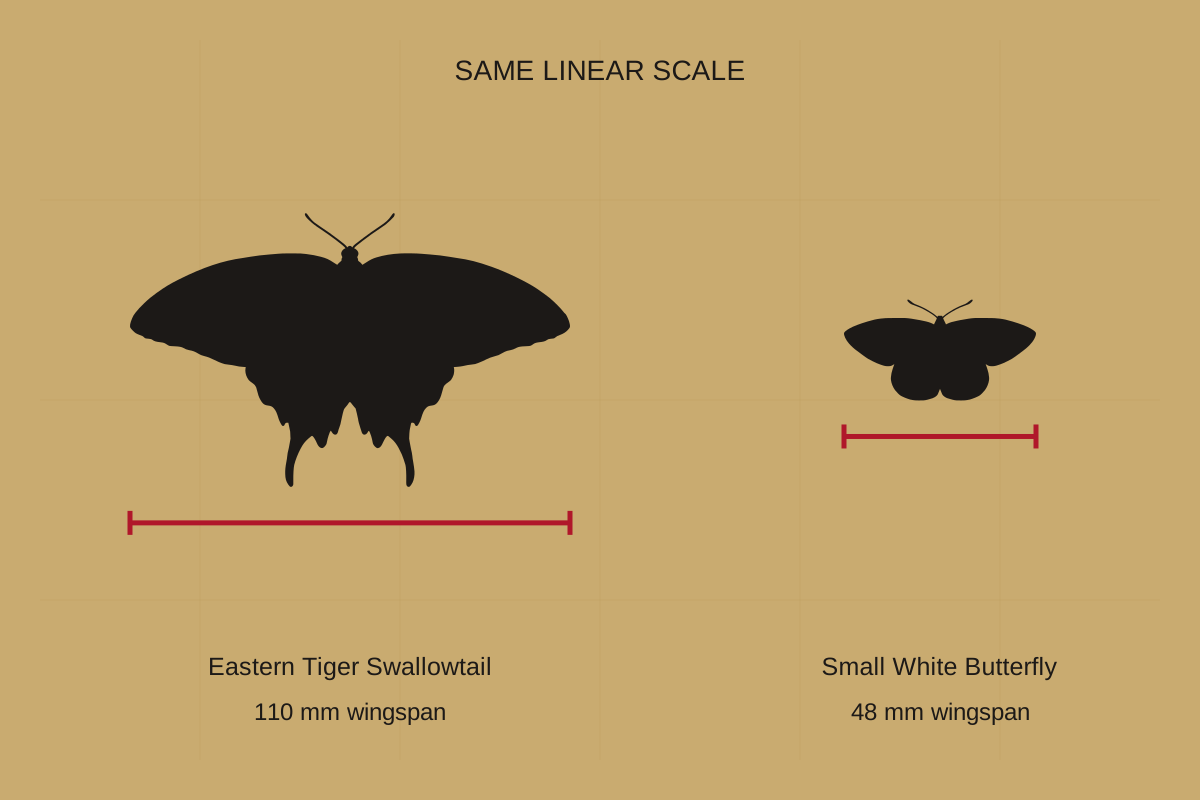
Keep a separate mental ruler for open wings. The small white and tiger swallowtail below share a calibrated scale. Size It Up Insects rewards the distance between the outer tips, even when one butterfly has long trailing tails.
Try Unlimited after the Daily round. Size It Up Insects uses the same measurements for practice, so you can learn one anchor and test it against fresh pairs.
08 / Trace the measurement
Size It Up Insects draws on wildlife organisations, museums and university reference pages. Millimetres describe a linear span. If a source gives a range, the selected value stays within that range; a maximum is labelled as a large adult.
Classic artwork comes from credited PhyloPic contributors under CC0 or public-domain terms. Size It Up Insects preserves each source and records its measurement endpoints. Related species may share a suitable schematic outline: colour patterns and fine anatomical differences are not identification tests. The diagrams do not show living specimens at life size.
09 / Questions from the field
10 / Keep exploring
Finished Size It Up Insects? Revisit a saved day or try a different scale of life.